
![At the museum no photos are allowed which is really unfortunate as it was well worth the visit and the guided tour is definitely not to be missed. In the museum there are even Batik made from the Dutch era which depicts stories like Little Red Riding Hood and Snow White!
I enjoyed the tour v much and at the end of the tour we were brought to this room where the artisan were working on hand drawn batik.
Below is an excerpt from Wikipedia for anyone interested in learning more about the process of batik making.
Firstly, a cloth is washed, soaked and beaten with a large mallet. Patterns are drawn with pencil and later redrawn using hot wax, usually made from a mixture of paraffin or bees wax, sometimes mixed with plant resins, which functions as a dye-resist. The wax can be applied with a variety of tools. A pen-like instrument called a canting (IPA: [tʃantiŋ], sometimes spelled with old Dutch orthography tjanting) is the most common. A canting is made from a small copper reservoir with a spout on a wooden handle. The reservoir holds the resist which flows through the spout, creating dots and lines as it moves. For larger patterns, a stiff brush may be used. Alternatively, a copper block stamp called a cap (IPA: [tʃap]; old spelling tjap) is used to cover large areas more efficiently.
After the cloth is dry, the resist is removed by scraping or boiling the cloth. The areas treated with resist keep their original color; when the resist is removed the contrast between the dyed and undyed areas forms the pattern. This process is repeated as many times as the number of colors desired.
The most traditional type of batik, called batik tulis (written batik), is drawn using only the canting. The cloth need to be drawn on both sides and dipped in a dye bath three to four times. The whole process may take up to a year; it yields considerably finer patterns than stamped batik.
Source: Wikipedia](https://images.trvl-media.com/place/6224808/26fd1460-c65a-4c1a-9444-7a893e883ac9.jpg?impolicy=fcrop&w=1200&h=500&q=medium)
Photo by Sharrie Shaw
Find Luxury Hotels in Solo City Centre
 Change your mindBook hotels with free cancellation
 Be pickySearch almost a million properties worldwide
Check availability on Solo City Centre Luxury Hotels
Our top choices for Solo City Centre luxury hotels
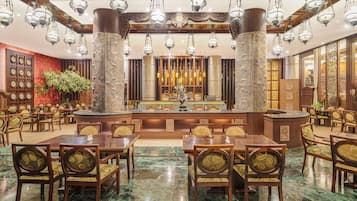
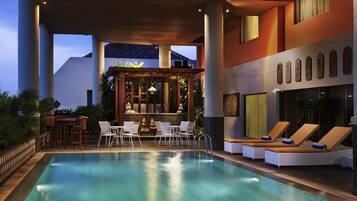
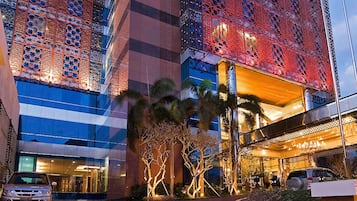
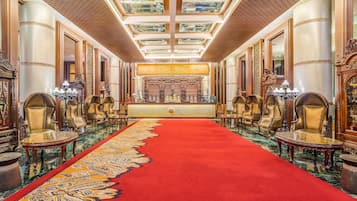
The Royal Surakarta Heritage - Handwritten Collection
The Royal Surakarta Heritage - Handwritten CollectionSolo City Centre
8.2 out of 10, Very Good, (166)
"Very nice room space to layout things, large room, nice bathroom.
A/C terrible had to move rooms once second room OK.
Pool very nice prefect temperature.
Staff helpful but lacked English speaking staff. This is a problem for me.
No place near to eat."

Fraser J
The price is ¥4,952
¥5,992 total
includes taxes & fees
Jan 11 - Jan 12


8.2 out of 10, Very Good, (113)
"I like to staying in this place very nice people."

Supartiningsih
The price is ¥5,599
¥6,775 total
includes taxes & fees
Jan 21 - Jan 22

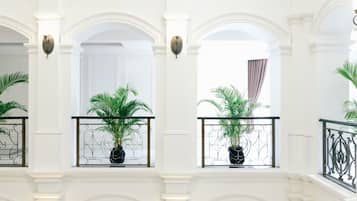
6.0 out of 10, (2)
"It was a perfect and enjoyable weekend get away break. The hotel is charming and comfortable. "
Anonymous traveler
The price is ¥6,179
¥7,605 total
includes taxes & fees
Jan 28 - Jan 29

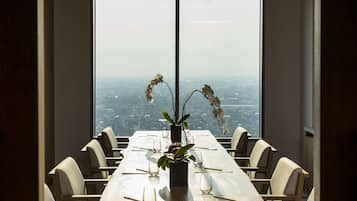
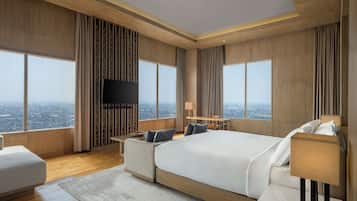

9.2 out of 10, Wonderful, (135)
"By far the most beautiful hotel I've ever stayed in. Everything is thoughtfully arranged, spotlessly clean and athletically pleasing. The service is also excellent in every way. "
Michele
The price is ¥9,260
¥11,205 total
includes taxes & fees
Jan 14 - Jan 15
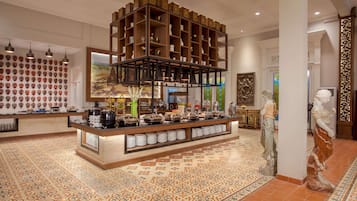
9.0 out of 10, Wonderful, (6)
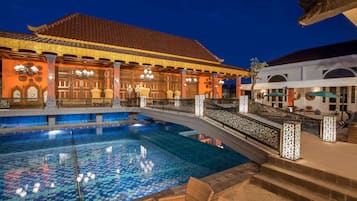
"The room was big but worn out, but OK for someone who is just staying there only to sleep. The service is at the hotel or professional, also the breakfast was fantastic The pool was just amazing however it was close to the restaurant and we felt like we are being watched all the time especially because we were wearing bikinis.
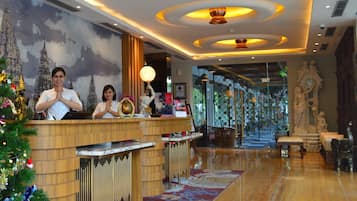
The staff at a Ramada was very helpful in all our wishes, however the receptionists could speak better English.
We would stay here again."

Jan
The price is ¥8,504
¥10,290 total
includes taxes & fees
Jan 7 - Jan 8


9.2 out of 10, Wonderful, (38)
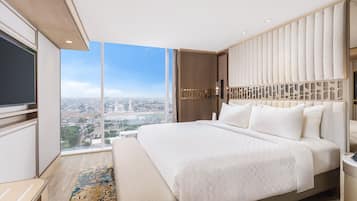
"Great place to stay! Very modern rooms and great food available at hotel"
Russel
The price is ¥6,090
¥7,409 total
includes taxes & fees
Jan 7 - Jan 8

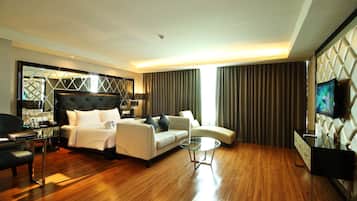
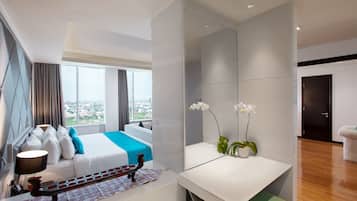
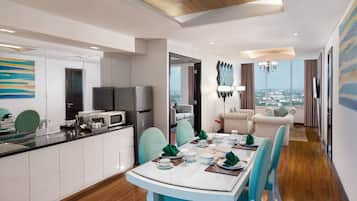
The Alana Hotel and Convention Center - Solo by Aston
The Alana Hotel and Convention Center - Solo by AstonColomadu
8.2 out of 10, Very Good, (62)
"Love the bed and pillows. Amazing.. facilities is great, staff is great. "

windy
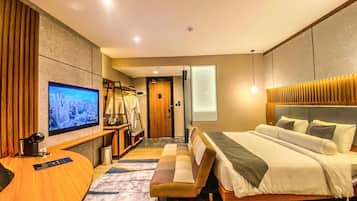

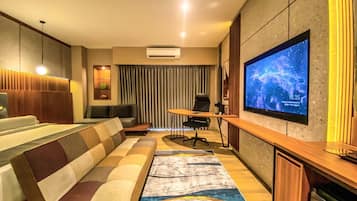

9.6 out of 10, Exceptional, (7)
"Nice "
Pramastuti
The price is ¥3,969
¥4,927 total
includes taxes & fees
Jan 12 - Jan 13
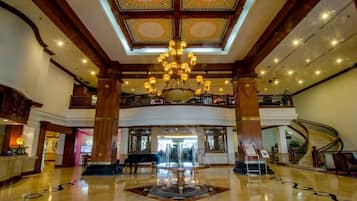
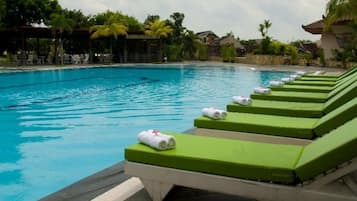

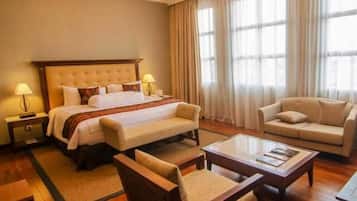

Lowest nightly price found within the past 24 hours based on a 1 night stay for 2 adults. Prices and availability subject to change. Additional terms may apply.
Top Solo City Centre Hotel Reviews

Alila Solo, Java
10/10 Excellent
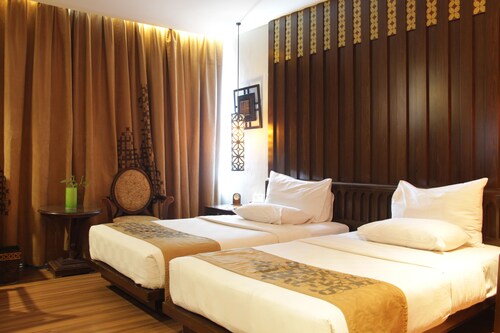
The Royal Surakarta Heritage - Handwritten Collection
6/10 Okay
Frequently asked questions
Explore a world of travel with Expedia
- Hotels with smoking rooms in Solo City Centre
- Gay friendly Hotels in Solo City Centre
- Cheap Hotels in Surakarta
- Boutique Hotels in Solo City Centre
- Luxury Hotels in Boyolali
- Boyolali Hotels
- Hostels in Wonogiri
- Sragen Hotels
- Tawangmangu Hotels
- Capsule Hotels in Klaten
- Adults Only Resorts & in Surakarta
- Cheap Hotels in Karanganyar
- Luxury Hotels in Baki
- Family Hotels in Tawangmangu
- Klaten Hotels
- Hotels with a Pool in Surakarta
- Historic Hotels in Solo City Centre
- Resorts in Boyolali
- Grogol Hotels
- Sukoharjo Hotels
- Hotels near Bengawan Solo
- B&B in Karanganyar
- Solo City Centre Hotels
- Guest Houses in Surakarta
- Resorts & Hotels with Spas in Solo City Centre
- Hostels in Tawangmangu
- Karanganyar Hotels
- Romantic Hotels in Klaten
- Hotels near Solo Paragon Lifestyle Mall
- All-Inclusive Hotel Hotels in Solo City Centre
- Luxury Hotels in Grogol
- Cheap Hotels in Tawangmangu
- Hostels in Surakarta
- Hotels near The Heritage Palace
- Resorts in Tawangmangu
- Adventure Hotels in Surakarta
- Guest Houses in Klaten
- Shopping Hotels in Solo City Centre
- Guest Houses in Boyolali
- Hotels with Hot Tubs in Surakarta
- Surakarta Hotels
- Hotels with Early Check-in in Solo City Centre
- Business Hotels in Surakarta
- Guest Houses in Tawangmangu
- Hotel Wedding Venues Hotels in Solo City Centre
- Cheap Hotels in Baki
- All-Inclusive Hotel Hotels in Surakarta
- Shopping Hotels in Karanganyar
- Cheap Hotels in Grogol
- Apartments in Surakarta
- Cheap Hotels in Solo City Centre
- Hotels with a Pool in Tawangmangu
- Hotels with a Pool in Solo City Centre
- Luxury Hotels in Tawangmangu