
![At the museum no photos are allowed which is really unfortunate as it was well worth the visit and the guided tour is definitely not to be missed. In the museum there are even Batik made from the Dutch era which depicts stories like Little Red Riding Hood and Snow White!
I enjoyed the tour v much and at the end of the tour we were brought to this room where the artisan were working on hand drawn batik.
Below is an excerpt from Wikipedia for anyone interested in learning more about the process of batik making.
Firstly, a cloth is washed, soaked and beaten with a large mallet. Patterns are drawn with pencil and later redrawn using hot wax, usually made from a mixture of paraffin or bees wax, sometimes mixed with plant resins, which functions as a dye-resist. The wax can be applied with a variety of tools. A pen-like instrument called a canting (IPA: [tʃantiŋ], sometimes spelled with old Dutch orthography tjanting) is the most common. A canting is made from a small copper reservoir with a spout on a wooden handle. The reservoir holds the resist which flows through the spout, creating dots and lines as it moves. For larger patterns, a stiff brush may be used. Alternatively, a copper block stamp called a cap (IPA: [tʃap]; old spelling tjap) is used to cover large areas more efficiently.
After the cloth is dry, the resist is removed by scraping or boiling the cloth. The areas treated with resist keep their original color; when the resist is removed the contrast between the dyed and undyed areas forms the pattern. This process is repeated as many times as the number of colors desired.
The most traditional type of batik, called batik tulis (written batik), is drawn using only the canting. The cloth need to be drawn on both sides and dipped in a dye bath three to four times. The whole process may take up to a year; it yields considerably finer patterns than stamped batik.
Source: Wikipedia](https://images.trvl-media.com/place/6224808/26fd1460-c65a-4c1a-9444-7a893e883ac9.jpg?impolicy=fcrop&w=1200&h=500&q=medium)
写真提供者 : Sharrie Shaw
ソロ シティ センター ホテル
 予定の変更があっても安心キャンセル料無料のホテルを予約
 理想の宿を見つけよう世界中の約 100 万軒の宿泊施設から検索
ソロ シティ センター 周辺でおすすめのホテル
ソロ シティ センターでおすすめのホテル
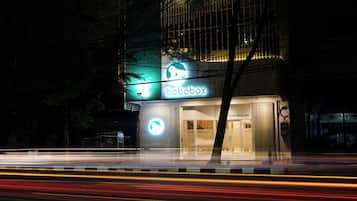
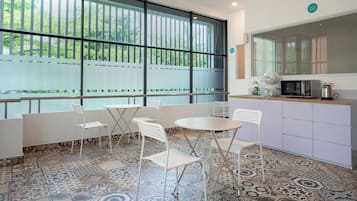


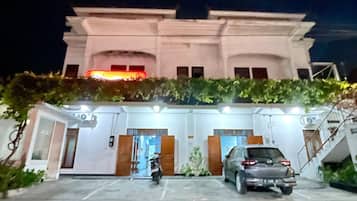





10 段階中 7.8、良い、(15) 件の口コミ
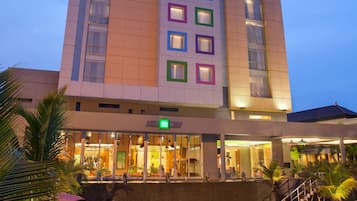
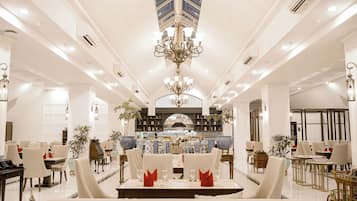
「Great value for money and in a great spot within town, with a delicious Wedangan Pendopo Javanese restaurant nearby and many cafes within walking distance. Staff were extremely helpful and kind. Would definitely stay again if I return to Solo. 」

Basalamah
現在の料金は ¥2,101
合計 ¥2,576
税およびサービス料込み
2 月 2 日 ~ 2 月 3 日


現在の料金は ¥2,448
合計 ¥2,975
税およびサービス料込み
1 月 21 日 ~ 1 月 22 日




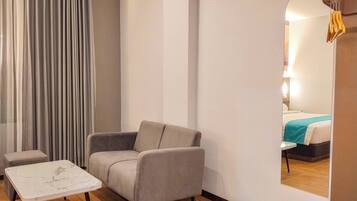


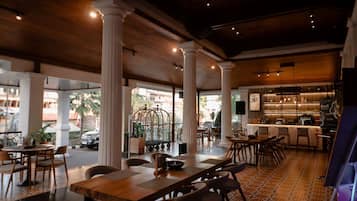
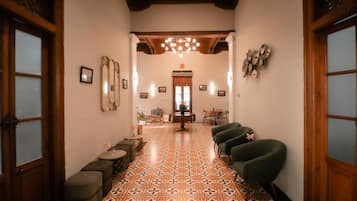
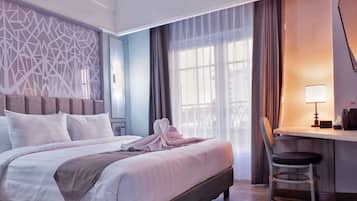





















表示料金は、過去 24 時間における 1 泊大人 2 名利用時の最低価格です。料金および空室状況は変動する場合があります。別途、利用規約が適用される場合があります。
ソロ シティ センター 旅行で人気の宿泊エリア
バンジャルサリ
バンジャルサリで過ごすなら、ソロ パラゴン ライフスタイル モールやバレカンバン シティ パークには訪れる価値があります。

よくある質問
エクスペディアで世界の旅へ
- カリウランの 3 つ星ホテル
- カリウランの 4 つ星ホテル
- スラカルタの 4 つ星ホテル
- バキの 5 つ星ホテル
- クラテンの 5 つ星ホテル
- スラカルタの 5 つ星ホテル
- アンバラワのホテル
- バキのベッド & ブレックファスト
- バキの家族向けホテル
- バキのプールのあるホテル
- バキのホテル
- バキのリゾート
- バンドゥンガンのヴィラ
- バンジャルサリのホテル
- ベンガワン・ソロ付近のホテル
- ボヨラリのホテル
- ブルケルトのホテル
- グドンのホテル
- ゲタサンのホテル
- ハルトノ モール付近のホテル
- カリウランのホテル
- カリウランのヴィラ
- カランアニャルのホテル
- カルトスロのホテル
- クラテンのホテル
- Klewer マーケット付近のホテル
- コペンの OYO Rooms ホテル
- コペンのホテル
- クラトン・スラカルタ付近のホテル
- ラウェヤンのホテル
- レバックのホテル
- ロサリのホテル
- マンクヌガラン宮殿付近のホテル
- ムラピ山付近のホテル
- サラムのゲストハウス
- サラティーガのホテル
- セロのホテル
- ソロ パラゴン ライフスタイル モール付近のホテル
- スラゲンのホテル
- スコハルジョのホテル
- スラカルタの高級ホテル
- スラカルタのホテル
- タワンマングのホテル
- ザ ヘリテージ パレス付近のホテル
- ウォノギリのホテル
- バキ行きの航空券
- サラティーガ行きの航空券
- スコハルジョ行きの航空券
- スラカルタ行きの航空券
- スラカルタ発の航空券
- バンドン (BDO) 発ソロ シティ (SOC) 行きの航空券
- ジャカルタ (CGK) 発ソロ シティ (SOC) 行きの航空券
- デンパサール (DPS) 発ソロ シティ (SOC) 行きの航空券
- 東京 (HND) 発ソロ シティ (SOC) 行きの航空券
- 大阪 (KIX) 発ソロ シティ (SOC) 行きの航空券
- クアラルンプール (KUL) 発ソロ シティ (SOC) 行きの航空券
- 東京 (NRT) 発ソロ シティ (SOC) 行きの航空券
- シンガポール (SIN) 発ソロ シティ (SOC) 行きの航空券
- スラバヤ (SUB) 発ソロ シティ (SOC) 行きの航空券
- アンバラワ鉄道博物館
- アンバラワの旅行情報
- バキでの休暇
- バキの旅行情報
- バンドゥンガンの旅行情報
- ボヨラリの旅行情報
- ブブラ寺院
- コロマドゥの旅行情報
- ダナール・ハディ
- ゲドン・ソンゴ寺院
- グドンの旅行情報
- ゲタサンの旅行情報
- ムラピ山国立公園
- ハルトノ モール
- カリウランの旅行情報
- カランアニャルの旅行情報
- クラテンでの休暇
- クラテンの旅行情報
- コペンの旅行情報
- クラトン・スラカルタ
- レバックの旅行情報
- マンクヌガラン宮殿
- ムンドゥットの旅行情報
- ムルバブ山国立公園
- ムンティランの旅行情報
- プラオサンロール寺院
- プルウォダディの旅行情報
- ラワ・ペニン湖
- サラムの旅行情報
- サラティーガの旅行情報
- セウ寺院
- ソジワン寺院
- ソロ パラゴン ライフスタイル モール
- スラゲンの旅行情報
- スコハルジョでの休暇
- スコハルジョの旅行情報
- スラカルタでの休暇
- スラカルタの旅行情報
- タワンマングの旅行情報
- ウォノギリの旅行情報