
アパートメント 1 室貸切
Appartamento Kama Wellness
Appartamento Kama Wellness
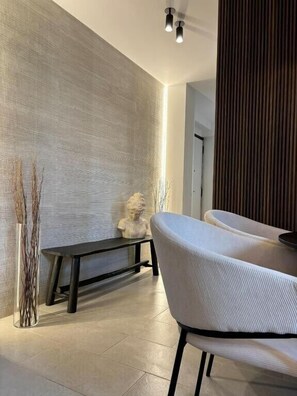
Appartamento Kama Wellnessの写真ギャラリー
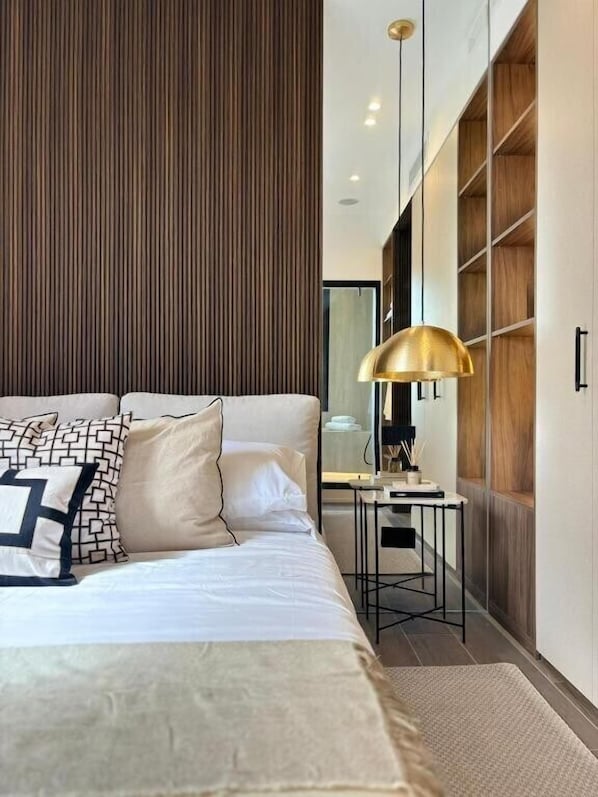
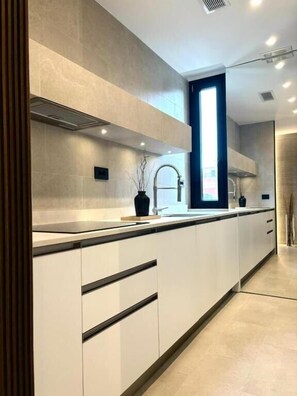
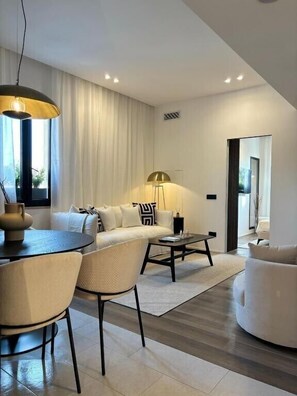
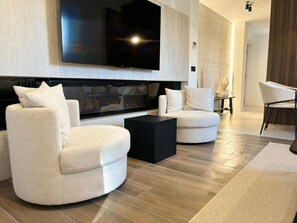
口コミ
7.810段階中7.8
良い
アパートメント 1 室貸切
ベッドルーム 1 室バスルーム 1 室定員 2 名60 ㎡
人気の設備とサービス
- キッチン
- 冷房
現在の料金は ¥19,419 です
¥19,419
合計 ¥28,195
税およびサービス料込み
4 月 17 日 ~ 4 月 18 日
日付を指定して料金を検索
この施設について
Appartamento Kama Wellness
wo room apartment with sea view with sauna, hydromassage tub, double bedroom, double sofa bed for 4 people, bathroom
Welcome to Lido di Ostia! This charming coastal town is located near the accommodation and offers a perfect blend of relaxation and exploration for our guests. Lido di Ostia is known for its beautiful sandy beaches, vibrant promenade, and delicious seafood restaurants. Visitors can enjoy sunbathing, swimming, and water sports activities during the day, and indulge in the local cuisine and lively nightlife in the evenings. Near the accommodation, guests will find the Parrocchia Santa Maria Regina Pacis, a stunning church that is worth a visit for its architectural beauty and spiritual significance. It is a peaceful spot to take a moment of quiet reflection during your stay in Lido di Ostia. We hope you have a wonderful time exploring all that Lido di Ostia has to offer during your stay with us. If you have any questions or need recommendations, feel free to ask our friendly staff for assistance. Enjoy your trip!
Ostia (officially Lido di Ostia[2]) is the coastal hamlet forming part of the Italian municipality of Roma Capitale. It includes the Lido di Ostia Ponente (Q. XXXIII), Lido di Ostia Levante (Q. XXXIV) and Lido di Castel Fusano (Q. XXXV) districts, and falls within the territory of the Roma X Municipality. A well known tourist location, it overlooks the Tyrrhenian Sea near the mouth of the Tiber river, which delimits its borders with the municipality of Fiumicino. Much of the area was built up starting from the early 20th century, at the end of the reclamation of the area carried out after the annexation of Rome to the Kingdom of Italy. The settlement of Ostia, according to tradition, was built under the reign of the fourth king of Rome Ancus Marzio around 630 BC, on the then coastline of the Tyrrhenian Sea and near the mouth of the Tiber river.[5][6 ][7][8] The actual date of foundation is rather uncertain: according to the Greek historian Polybius, for example, the foundation of the settlement took place under the reign of Numa Pompilius a few decades earlier while the French historian Jérôme Carcopino placed the birth of Ostia after the victories of the Romans over the Etruscans and the Ancients and believed that before the colony there was a sanctuary dedicated to the god Vulcan, of which, however, no trace remains.[9] The main function of Ostia was that of the supply of salt although the archaeological site suggests that it had, in the beginning, an important military function as the base of the first Roman fleets. Proof of its importance is the exemption from military conscription during the Second Punic War. The Roman theater of Ostia From the few historiographical and literary sources it is clear that during the civil war between Marius and Silla Ostia was sacked by the followers of the populares and subsequently rebuilt by the Roman dictator. Archaeological evidence attests it to be one of the most developed cities in pre imperial Lazio. Recognizing its importance both as a seaport and as a commercial emporium, the city was enriched in the Augustan age, to which the Roman theater and the renovation of the forum date back. Augustus himself planned to provide the city with a port basin suitable for its function which was then built along the Tiber river by Emperor Claudius in 46 about 4 km from Ostia. As the years passed, the city had to meet the growing needs of Rome and the Claudian port, whose design errors led to continuous silting, was replaced by the hexagonal port of Trajan designed by Apollodorus of Damascus. The port grew independently as a suburb of Ostia and under Emperor Constantine I it became an autonomous city. Precisely in the Constantinian era, the decline of the first Roman colony began due both to the moving of the imperial capital to Constantinople and to the growing importance of nearby Porto. Invia commenti Riquadri laterali Cronologia Salvate
Welcome to Lido di Ostia! This charming coastal town is located near the accommodation and offers a perfect blend of relaxation and exploration for our guests. Lido di Ostia is known for its beautiful sandy beaches, vibrant promenade, and delicious seafood restaurants. Visitors can enjoy sunbathing, swimming, and water sports activities during the day, and indulge in the local cuisine and lively nightlife in the evenings. Near the accommodation, guests will find the Parrocchia Santa Maria Regina Pacis, a stunning church that is worth a visit for its architectural beauty and spiritual significance. It is a peaceful spot to take a moment of quiet reflection during your stay in Lido di Ostia. We hope you have a wonderful time exploring all that Lido di Ostia has to offer during your stay with us. If you have any questions or need recommendations, feel free to ask our friendly staff for assistance. Enjoy your trip!
Ostia (officially Lido di Ostia[2]) is the coastal hamlet forming part of the Italian municipality of Roma Capitale. It includes the Lido di Ostia Ponente (Q. XXXIII), Lido di Ostia Levante (Q. XXXIV) and Lido di Castel Fusano (Q. XXXV) districts, and falls within the territory of the Roma X Municipality. A well known tourist location, it overlooks the Tyrrhenian Sea near the mouth of the Tiber river, which delimits its borders with the municipality of Fiumicino. Much of the area was built up starting from the early 20th century, at the end of the reclamation of the area carried out after the annexation of Rome to the Kingdom of Italy. The settlement of Ostia, according to tradition, was built under the reign of the fourth king of Rome Ancus Marzio around 630 BC, on the then coastline of the Tyrrhenian Sea and near the mouth of the Tiber river.[5][6 ][7][8] The actual date of foundation is rather uncertain: according to the Greek historian Polybius, for example, the foundation of the settlement took place under the reign of Numa Pompilius a few decades earlier while the French historian Jérôme Carcopino placed the birth of Ostia after the victories of the Romans over the Etruscans and the Ancients and believed that before the colony there was a sanctuary dedicated to the god Vulcan, of which, however, no trace remains.[9] The main function of Ostia was that of the supply of salt although the archaeological site suggests that it had, in the beginning, an important military function as the base of the first Roman fleets. Proof of its importance is the exemption from military conscription during the Second Punic War. The Roman theater of Ostia From the few historiographical and literary sources it is clear that during the civil war between Marius and Silla Ostia was sacked by the followers of the populares and subsequently rebuilt by the Roman dictator. Archaeological evidence attests it to be one of the most developed cities in pre imperial Lazio. Recognizing its importance both as a seaport and as a commercial emporium, the city was enriched in the Augustan age, to which the Roman theater and the renovation of the forum date back. Augustus himself planned to provide the city with a port basin suitable for its function which was then built along the Tiber river by Emperor Claudius in 46 about 4 km from Ostia. As the years passed, the city had to meet the growing needs of Rome and the Claudian port, whose design errors led to continuous silting, was replaced by the hexagonal port of Trajan designed by Apollodorus of Damascus. The port grew independently as a suburb of Ostia and under Emperor Constantine I it became an autonomous city. Precisely in the Constantinian era, the decline of the first Roman colony began due both to the moving of the imperial capital to Constantinople and to the growing importance of nearby Porto. Invia commenti Riquadri laterali Cronologia Salvate
施設の設備
プール / スパ
- サウナ
ベッドルーム
- ソファーベッド
- ベッドルーム 1 室
バスルーム
- バスルーム 1 室
コンフォート
- 暖房
- 冷房
ペット
- ペットとの宿泊不可
対象 / バリアフリー
- 全館禁煙
安全設備
- 一酸化炭素検知器が未報告 (オーナーは施設に一酸化炭素検知器があるかどうか明記していません。携帯用探知器の持ち込みをご検討ください)
- 煙感知器が未報告 (オーナーは施設に煙感知器があるかどうか明記していません)
一般
- ユニットサイズ : 60 平方メートル
- 施設のお子様の利用は不可
類似した宿泊施設
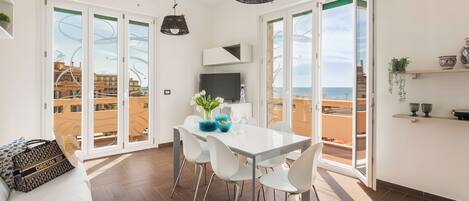
ビーチ アパートメント
リド ディ オスティア
ビーチ アパートメント
リド ディ オスティア
- 洗濯機
- WiFi (無料)
- オーシャン ビュー
10 段階中 9.6、最高に素晴らしい、口コミ 10 件 件の口コミ
9.6
最高に素晴らしい
口コミ 10 件
現在の料金は ¥21,709
¥21,709
合計 ¥26,121
税およびサービス料込み
4 月 15 日 ~ 4 月 16 日
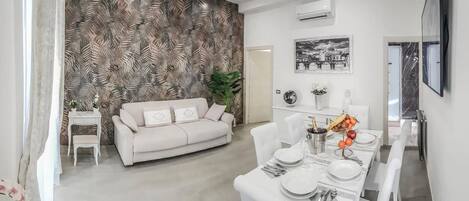
セントラル ラグジュアリー アパートメント
リド ディ オスティア
セントラル ラグジュアリー アパートメント
リド ディ オスティア
- キッチン
- 洗濯機
- WiFi (無料)
- 冷房
10 段階中 6.0、口コミ 2 件 件の口コミ
6.0
口コミ 2 件
現在の料金は ¥41,245
¥41,245
合計 ¥47,611
税およびサービス料込み
5 月 4 日 ~ 5 月 5 日

Sunnyhome- Ostia Lido sea view | 2 bathrooms
リド ディ オスティア
Sunnyhome- Ostia Lido sea view | 2 bathrooms
リド ディ オスティア
- キッチン
- 洗濯機
- WiFi (無料)
- 冷房
10 段階中 10.0、最高に素晴らしい、口コミ 1 件 件の口コミ
10
最高に素晴らしい
口コミ 1 件

Sea Residence, Lido di Ostia Rome
リド ディ オスティア
Sea Residence, Lido di Ostia Rome
リド ディ オスティア
- キッチン
- 洗濯機
- ペット可
- WiFi (無料)

Lotus- apartment seafront rome
リド ディ オスティア
Lotus- apartment seafront rome
リド ディ オスティア
- キッチン
- 洗濯機
- WiFi (無料)
- 冷房
10 段階中 10.0、最高に素晴らしい、口コミ 5 件 件の口コミ
10
最高に素晴らしい
口コミ 5 件
現在の料金は ¥16,805
¥16,805
合計 ¥32,488
税およびサービス料込み
4 月 15 日 ~ 4 月 16 日

Apartment near the sea
リド ディ オスティア
Apartment near the sea
リド ディ オスティア
- キッチン
- 洗濯機
- 冷房
- 屋外スペース
Casa Kai Ostia, lovely apartment in the center of Ostia
リド ディ オスティア
Casa Kai Ostia, lovely apartment in the center of Ostia
リド ディ オスティア
- キッチン
- 洗濯機
- 冷房
- 電子レンジ

Appartamento Piazzetta Capri Ostia Holiday
リド ディ オスティア
Appartamento Piazzetta Capri Ostia Holiday
リド ディ オスティア
- キッチン
- 冷房
オスティア島の美しいアパート、海の近く、30分ローマの中心
リド ディ オスティア
オスティア島の美しいアパート、海の近く、30分ローマの中心
リド ディ オスティア
- キッチン
- 洗濯機
- ペット可
- 冷房
10 段階中 9.6、最高に素晴らしい、口コミ 19 件 件の口コミ
9.6
最高に素晴らしい
口コミ 19 件

One Bedroom Apartment
リド ディ オスティア
One Bedroom Apartment
リド ディ オスティア
- キッチン
現在の料金は ¥11,141
¥11,141
合計 ¥25,580
税およびサービス料込み
4 月 26 日 ~ 4 月 27 日
ポリシー
チェックイン
チェックイン : 14:00 以降
チェックインの最低年齢 : 18 歳
チェックアウト
チェックアウト終了時刻 : 10:00
チェックインに関する特記事項
オーナーから、チェックインおよびチェックアウトに関する特記事項を記載したEメールが届きます
施設から提供された情報は、自動翻訳ツールを使用して翻訳されている場合があります
ペット
ペットの同伴不可
お子様およびエキストラ ベッドのご利用について
お子様はこの施設をご利用いただけません
イベント
イベント不可
喫煙
喫煙不可
重要事項
ご宿泊に際して
施設の定める利用規約に従って、追加ゲスト料金がかかる場合があります
場合により、チェックイン時に政府発行の写真付き身分証明書と付随費用精算のためのクレジットカード / デビットカードのご提示、または現金でのデポジットのお支払いが必要です
宿泊施設への要望は、チェックイン時の状況によりご希望に添えない場合があり、内容によっては追加料金が発生することがあります。対応は確約ではございませんのでご了承ください
施設でのお支払いには、現金をご利用いただけます
敷地内でのパーティーやグループイベントの開催は固く禁止されています
施設における一酸化炭素検知器の有無について、オーナーから情報提供はありません。ポータブル検知器の持ち込みをご検討ください
施設における煙感知器の有無について、オーナーから情報提供はありません
この施設は弊社のパートナー企業 Vrbo (バーボ) が管理しており、Vrbo より、予約を変更・キャンセルする場合にご利用いただく Vrbo アカウントへのリンクを記載したメールが届きます
その他の情報
お子様を含むすべてのお客様に、チェックイン時に政府発行の身分証明書またはパスポートをご提示いただく必要があります
この宿泊施設における現金取引は、国内規制により 5000 EURまでに制限されています。詳細については、施設にお問い合わせください。連絡先は予約確認通知に記載されています
宿泊施設の別名
632421
周辺地域について
このアパートメントは、ローマのリド ディ オスティア地区にあります。マッキアグランデ自然保護区とマッカレーゼ浴場は地域の自然美が楽しめるスポット。ポンティレ ディ オスティアやアッファブラーツィオーネ文化協会も人気のスポットです。街で話題のイベントやスポーツ観戦を楽しみたいなら、パラペリコネかパラッツォ・デッロ・スポルトがおすすめ。ローマの旅行ガイドを見る
ローマのアパートメントをもっと見る
ROMA
周辺情報
 ポンティレ ディ オスティア徒歩 8 分 - 0.7 km
 オスティア・アンティカ考古学公園車で 3 分 - 2.2 km
- アッファブラーツィオーネ文化協会徒歩 13 分 - 1.1 km
- イル・クルヴォーネ徒歩 18 分 - 1.5 km
- ピエール・パオロ・パゾリーニ公園車で 2 分 - 2.2 km
交通案内
- カステル フザノ駅から車で 4 分
- ステラ・ポラーレ駅から車で 3 分
- フィウミチーノ レオナルド ダ ヴィンチ国際空港 (FCO)から車で 28 分
レストラン
- Antico Traiano徒歩 3 分
- Old Wild West徒歩 3 分
- McDonald's徒歩 2 分
- Alt Stazione Gusto徒歩 3 分
- Osteria Toscanelli徒歩 2 分
よくあるご質問
Appartamento Kama Wellnessはペットと宿泊できますか ?
いいえ、ペットは同伴できません。
Appartamento Kama Wellnessの宿泊料金はどのくらいですか ?
2026 年 4 月 12 日 現在、2026 年 4 月 17 日 に大人 2 名でAppartamento Kama Wellnessに 1 泊した場合の最低料金は ¥19,419 (税およびサービス料別) です。この料金は、今後 30 日間の 1 泊あたりの料金において過去 24 時間に見つかった最低料金に基づいています。料金は変更される場合があります。ご希望の日付を入力して、正確な料金をご確認ください。
Appartamento Kama Wellnessのチェックインは何時ですか ?
チェックイン開始は 14:00 です。
Appartamento Kama Wellnessのチェックアウトは何時ですか ?
チェックアウトは 10:00 です。
Appartamento Kama Wellnessはどこにありますか ?
リド ディ オスティアに位置するこのアパートメントは、ポンティレ ディ オスティアおよびアッファブラーツィオーネ文化協会から徒歩 15 分圏内です。イル・クルヴォーネおよびピエール・パオロ・パゾリーニ公園も 3 km 圏内です。ステラ・ポラーレ駅まで徒歩わずか 23 分です。
Appartamento Kama Wellnessの口コミ
口コミ
7.8