リトル プラムステッド
旅行ガイド
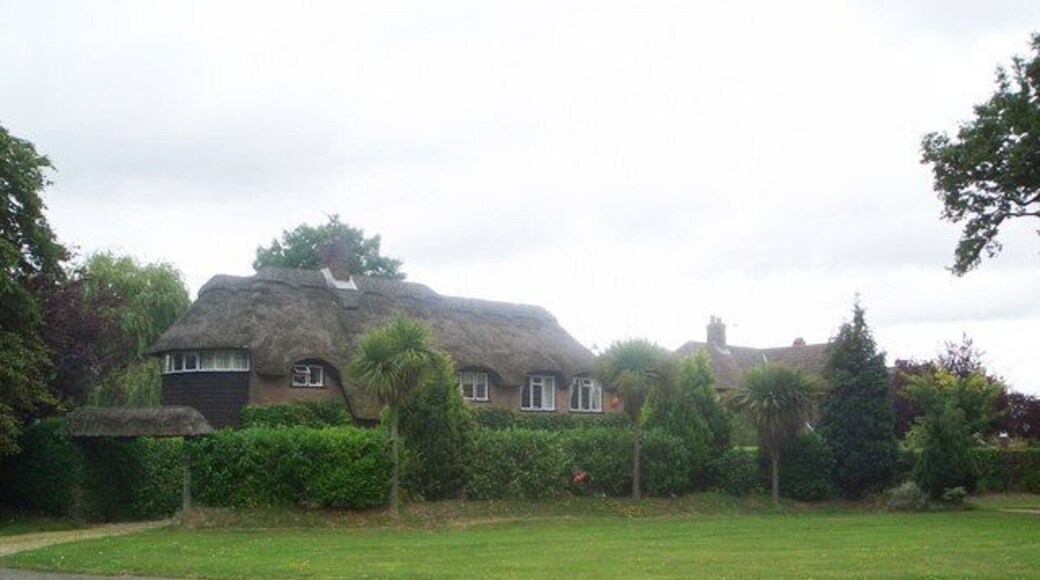


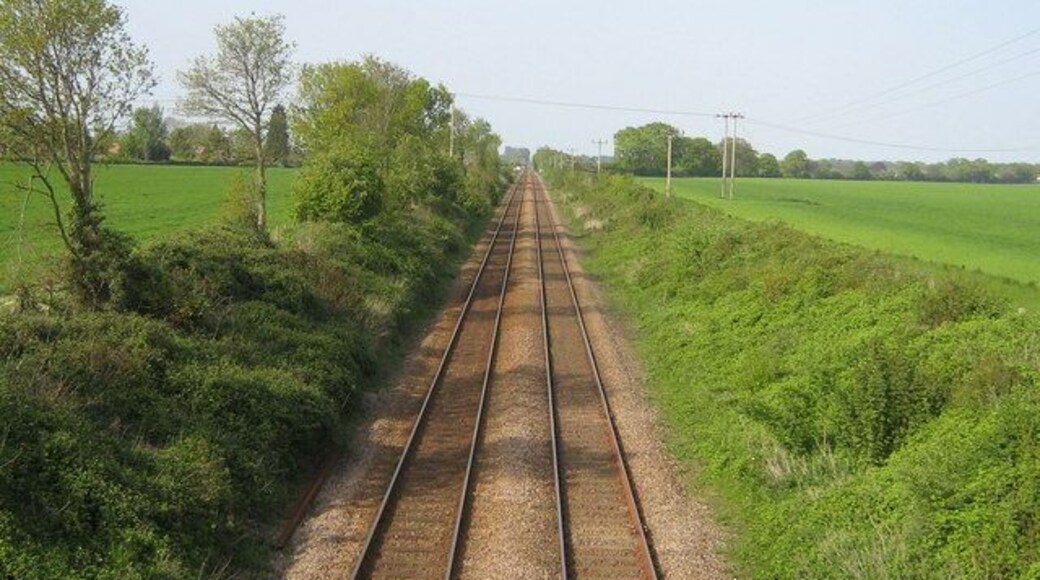
リトル プラムステッドへの旅行

スプローストン マナー ホテル スパ & ゴルフ
Wroxham Road Norwich England
9月27日から9月28日までの料金は1泊あたり¥13,833です
¥13,833
合計 ¥16,600
9 月 27 日 ~ 9 月 28 日
税およびサービス料込み
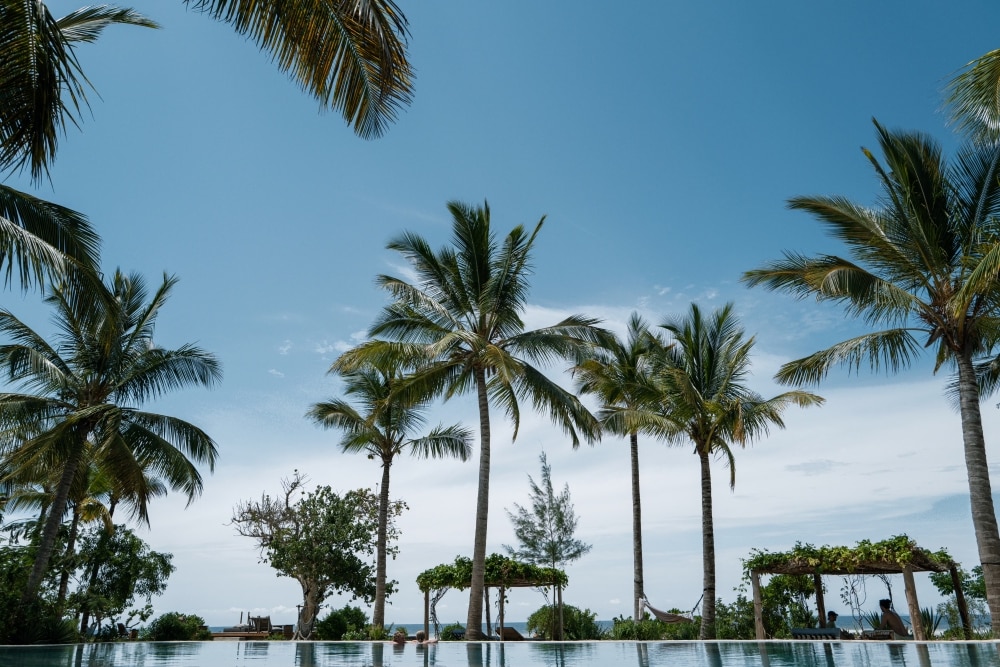
ノーリッチにあるスパ付きホテル。WiFi (無料)、駐車場 (無料)、フルサービス スパが利用可能です。口コミでは朝食とプールが高評価。人気観光スポットのマウスホールド ヒースとカットンパークが近くにあります。
7.8/10 良い (口コミ 1,003 件)
"This hotel could be incredibly stunning, it looks great from the outside.....disappointing in places on the inside. Our room had snot on thr bathroom wall that someone had clearly just wiped there, lots of cobwebs and dust on places in the bedroom. Windows were dirty on the inside, particularly the ..."
口コミ投稿日 : 2026 年 9 月 20 日
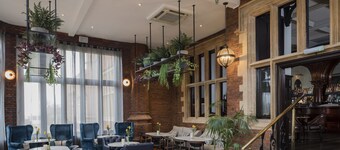
ダンストン ホール ホテル スパ アンド ゴルフ リゾート
Ipswich Road Norwich England
10月8日から10月9日までの料金は1泊あたり¥19,787です
¥19,787
合計 ¥23,744
10 月 8 日 ~ 10 月 9 日
税およびサービス料込み
ノーリッチにあるスパ付きホテル。WiFi (無料)、フルサービス スパ、ゴルフコースが利用可能です。口コミでは朝食とプールが高評価。人気観光スポットのダンストンホールとハイ アッシュ ファームが近くにあります。
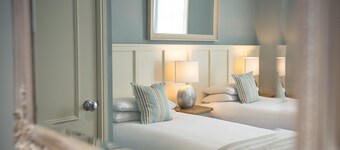
ジョージ ホテル, BW シグネチャー コレクション
Arlington Lane Norwich England
10月4日から10月5日までの料金は1泊あたり¥17,180です
¥17,180
合計 ¥20,616
10 月 4 日 ~ 10 月 5 日
税およびサービス料込み
ノーリッチにあるビジネス向けホテル。WiFi (無料)、駐車場 (無料)、朝食 (有料)が利用可能です。口コミでは親切なスタッフと清潔感のある客室が高評価。人気観光スポットのチャペルフィールド庭園とセント ジョン ザ バプティスト大聖堂が近くにあります。
表示料金は、過去 24 時間における 1 泊大人 2 名利用時の最低価格です。料金および空室状況は変動する場合があります。別途、利用規約が適用される場合があります。

ウェイサイド
Honeycombe Road Norwich England
ノーリッチのバケーションホーム。駐車場 (無料)、朝食 (有料)、ピクニックエリアが利用可能です。人気観光スポットのサルハウス ブロードとウロクスハム・ブロードが近くにあります。
9/10 とても素晴らしい (口コミ 101 件)
"A great little find. Room did exactly what was expected, bed was comfy with good bedding, nice and quiet at night. Shower room looking a bit tired, but did the job perfectly, good powerful shower. Breakfast item's in your room were perfect start to the day. Plenty of coffee and tea and fresh milk ..."
口コミ投稿日 : 2026 年 9 月 16 日
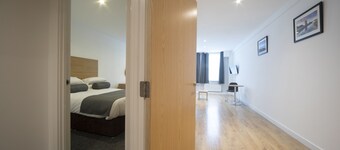
ウェリントン アパートメンツ
St Faiths Ln Norwich England
ノーリッチのアパートスタイルホテル。WiFi (無料)、24 時間対応フロントデスク、コンシェルジュ サービスが利用可能です。口コミでは親切なスタッフが高評価。人気観光スポットのザ グレート病院とトンブランドが近くにあります。
9/10 とても素晴らしい (口コミ 469 件)
"駅からもショッピングセンターからも近く、過ごしやすかった"
口コミ投稿日 : 2025 年 12 月 31 日

クロマー カントリー クラブ
127 Overstrand Road Cromer England
クローマーのアパートスタイルホテル。WiFi (無料)、駐車場 (無料)、フィットネスセンターが利用可能です。口コミではレストランと親切なスタッフが高評価。人気観光スポットのロイヤル クローマー ゴルフ クラブとカートトラック クローマーが近くにあります。
9.2/10 とても素晴らしい (口コミ 1,067 件)
"Check-in was perfunctory and lacking in warmth. My husband and I were also very disappointed to be told that the pool and spa closed at 7pm. After a long drive, we arrived at 6:45pm intending to relax in the spa before retiring. We understand that the spa was open until 8pm (on the pool board, it ..."
口コミ投稿日 : 2026 年 9 月 20 日
表示料金は、過去 24 時間における 1 泊大人 2 名利用時の最低価格です。料金および空室状況は変動する場合があります。別途、利用規約が適用される場合があります。
現地ツアー
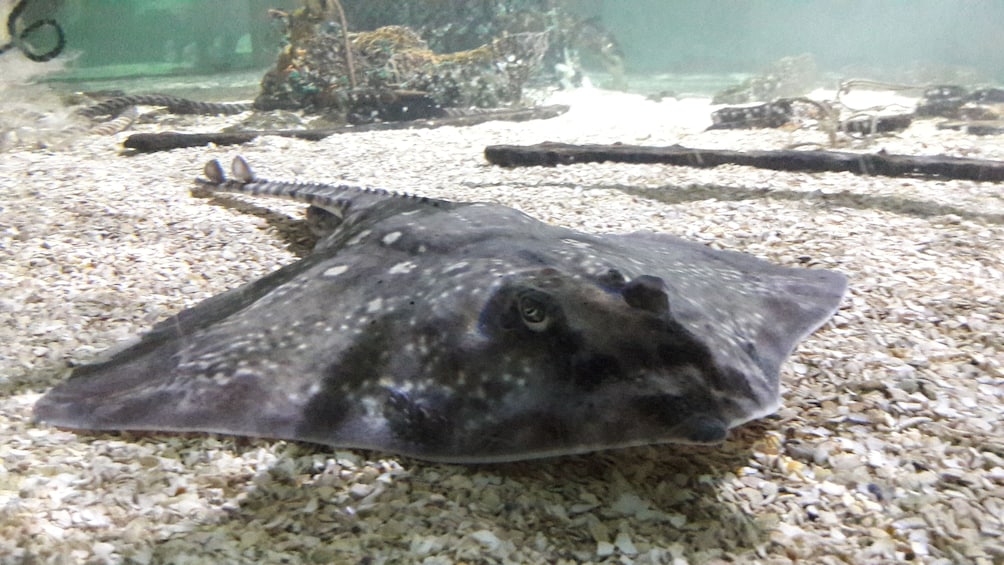
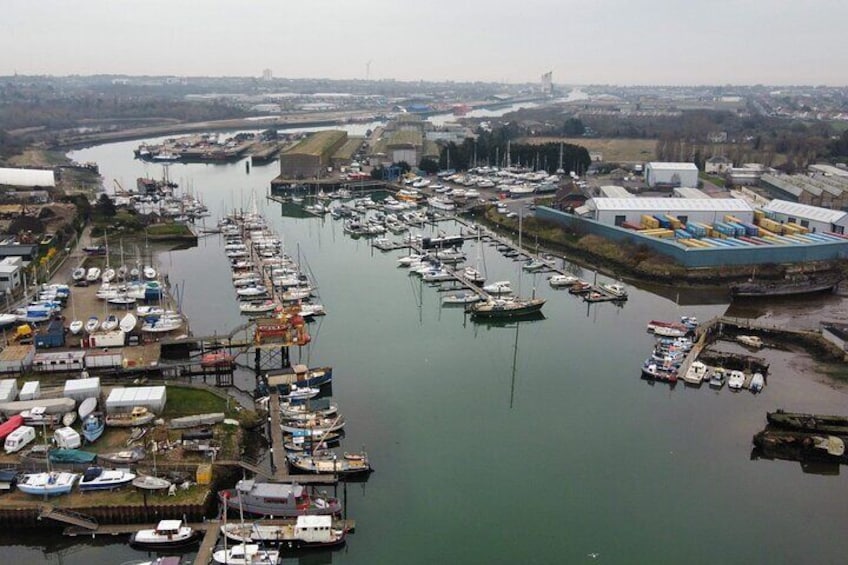
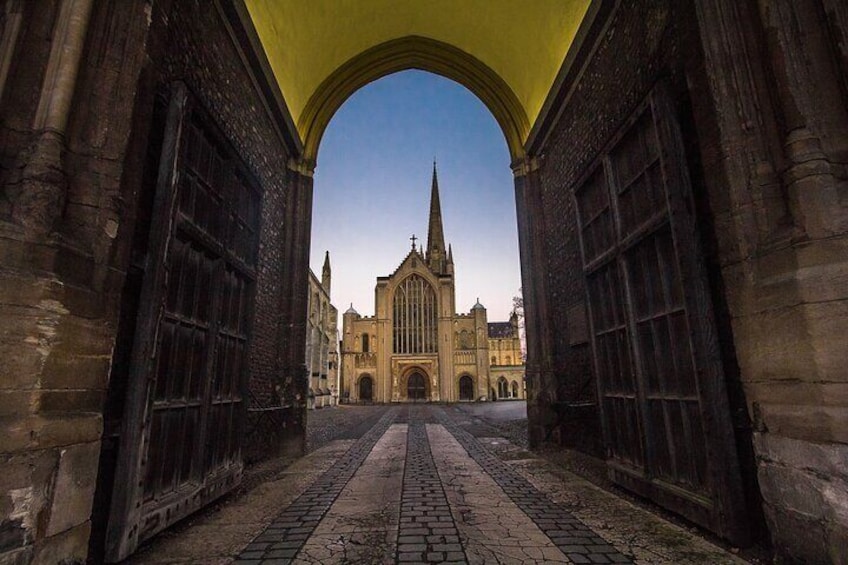
ノリッジ ツアー アプリ、隠れた宝石ゲーム、ビッグ ブリテン クイズ (1 日パス) 英国
¥3,251
1 名あたり