Clipsham
Travel Guide


Visit Clipsham

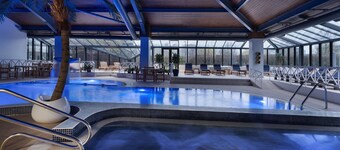
Orton Hall Hotel & Spa
The Village Orton Longueville Peterborough England
The price is ¥15,351 per night from Nov 1 to Nov 2
¥15,351
¥18,422 total
Nov 1 - Nov 2
includes taxes & fees
Book a stay at this spa hotel in Peterborough. Enjoy free WiFi, free parking, and a full-service spa. Our guests praise the pool and the helpful staff in our ...
8.6/10 Excellent! (1,002 reviews)
"Lovely hotel"
Reviewed on Oct 26, 2026
Delta Hotels by Marriott Peterborough
Peterborough Business Park Peterborough England
The price is ¥13,226 per night from Nov 1 to Nov 2
¥13,226
¥15,871 total
Nov 1 - Nov 2
includes taxes & fees
Book a stay at this business-friendly hotel in Peterborough. Enjoy free WiFi, breakfast (surcharge), and 24-hour room service. Our guests praise the helpful ...

The Bull Hotel, Sure Hotel Collection by Best Western
Westgate Peterborough England
The price is ¥16,524 per night from Oct 30 to Oct 31
¥16,524
¥19,829 total
Oct 30 - Oct 31
includes taxes & fees
Book a stay at this business-friendly hotel in Peterborough. Enjoy free WiFi, free parking, and breakfast (surcharge). Our guests praise the helpful staff in ...
8.2/10 Very Good! (962 reviews)
"Lovely hotel, very enjoyable stay."
Reviewed on Oct 22, 2026
Lowest nightly price found within the past 24 hours based on a 1 night stay for 2 adults. Prices and availability subject to change. Additional terms may apply.

Relax Inn - Thorpe Lodge Hotel
87 Thorpe Rd Peterborough England
Stay at this aparthotel in Peterborough. Enjoy free breakfast, Netflix, and satellite TV channels. Popular attractions Peterborough Museum and Nene Valley Railway ...
8.6/10 Excellent! (21 reviews)
"Was clean and tidy. Didn’t have control of the temperature. Radiator was blasting hot on a mild evening and couldn’t turn it off. The shower mixer didn’t work, was coming out the bath tap as well as the shower and the temperature gauge very temperamental"
Reviewed on Oct 17, 2026

Ascot House
Lynch Wood Peterborough England
Stay at this aparthotel in Peterborough. Enjoy free WiFi, free parking, and a 24-hour front desk. Popular attractions Nene Valley Railway - Overton Station and ...
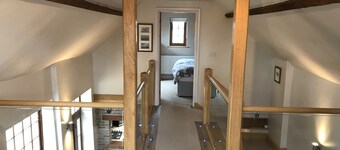
Out Back and Beyond, very rural, just the place to 'get away from it all'
Sleaford ENG
Stay at this vacation home in Sleaford. Enjoy free WiFi, private pools, and a fitness center. Popular attractions Burtey Fen Collection and Boston Road Brick ...
Lowest nightly price found within the past 24 hours based on a 1 night stay for 2 adults. Prices and availability subject to change. Additional terms may apply.