フォリーニョ
旅行ガイド


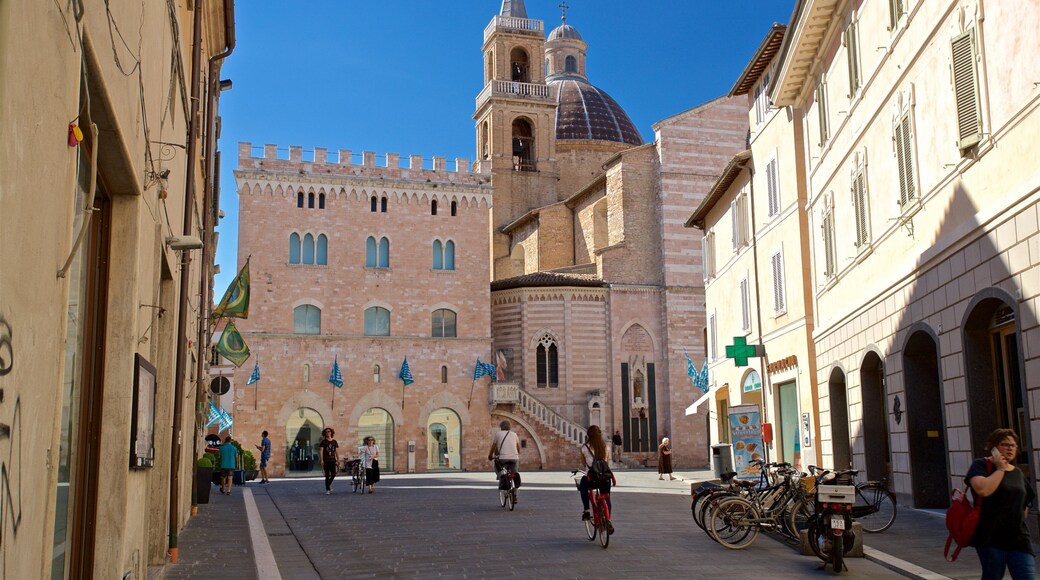
フォリーニョへの旅行
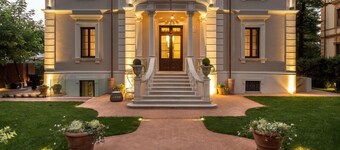
ルレ メテリ
Viale Mezzetti 19 Foligno PG
11月1日から11月2日までの料金は1泊あたり¥23,896です
¥23,896
合計 ¥27,165
11 月 1 日 ~ 11 月 2 日
税およびサービス料込み
フォリーニョにあるビジネス向けホテル。WiFi (無料)、朝食 (有料)、24 時間対応のルームサービスが利用可能です。口コミでは親切なスタッフが高評価。人気観光スポットのフォリーニョ市庁舎とサン・フェリチアーノ大聖堂が近くにあります。
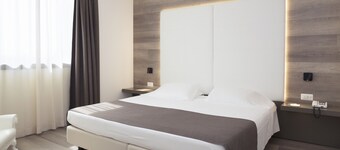
シティ ホテル & スイーツ フォリーニョ
Via Massimo Arcamone 16 Foligno PG
11月15日から11月16日までの料金は1泊あたり¥10,032です
¥10,032
合計 ¥16,139
11 月 15 日 ~ 11 月 16 日
税およびサービス料込み
フォリーニョにあるビジネス向けホテル。朝食 (無料)、WiFi (無料)、駐車場 (無料)が利用可能です。口コミでは親切なスタッフが高評価。人気観光スポットのラ・ジョストリーナ・デイ・カナペとトリンチ宮が近くにあります。
9.2/10 とても素晴らしい (口コミ 426 件)
"清潔感もあって良い。 スタッフの応対がいい☺️"
口コミ投稿日 : 2019 年 9 月 17 日

B&B イル チェドロ
Via Giovanni Caboto 10 Foligno PG
11月13日から11月14日までの料金は1泊あたり¥8,783です
¥8,783
合計 ¥10,190
11 月 13 日 ~ 11 月 14 日
税およびサービス料込み
フォリーニョにあるビジネス向けB&B。朝食 (無料)、WiFi (無料)、駐車場 (無料)が利用可能です。口コミでは親切なスタッフが高評価。人気観光スポットのラ・ジョストリーナ・デイ・カナペとフォリーニョ市庁舎が近くにあります。
9/10 とても素晴らしい (口コミ 190 件)
"Camera molto pulita complimenti. Bagno bello e dimensioni adeguate, colazione buona, parcheggio in stada."
口コミ投稿日 : 2026 年 10 月 17 日
表示料金は、過去 24 時間における 1 泊大人 2 名利用時の最低価格です。料金および空室状況は変動する場合があります。別途、利用規約が適用される場合があります。
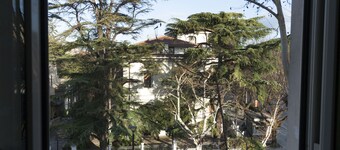
Viale Mezzetti - 1.3 by Ospitaci
Foligno
フォリーニョのアパートメント。WiFi (無料)、ランドリー設備が利用可能です。人気観光スポットのフォリーニョ市庁舎とサン・フェリチアーノ大聖堂が近くにあります。
8/10 とても良い (口コミ 1 件)
"di fronte alla stazione e vicino al centro cordialita' e disponibilita' della proprietaria"
口コミ投稿日 : 2025 年 6 月 26 日

カントリー ハウス カスコ デッラックア
Località Casco dellAcqua, 15 Foligno PG
フォリーニョにあるファミリー向けバケーションホーム。WiFi (無料)、駐車場 (無料)、朝食 (有料)が利用可能です。人気観光スポットの聖フランチェスコ市立美術館とグスト ワイン ツアーズが近くにあります。
9.4/10 最高に素晴らしい (口コミ 19 件)
"Everything about our stay at Country House Casco dell'Acqua was on point. The great location, the comfort of the rooms (very clean and well appointed), not to mention the friendliness and helpfulness of the owner. We needed help booking a taxi and booking a reservation at the local restaurant. This ..."
口コミ投稿日 : 2026 年 10 月 5 日
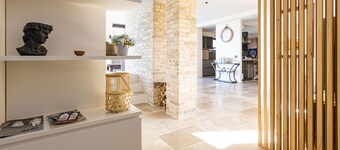
Villa Exceptionnelle Avec Piscine à Foligno à Côté de Spello au Cœur de Lombrie
Umbria Provincia di Perugia
フォリーニョのヴィラ。WiFi (無料)、プライベートプール、庭園が利用可能です。人気観光スポットのサン・フェリチアーノ大聖堂とフォリーニョ市庁舎が近くにあります。
10/10 最高に素晴らしい (口コミ 9 件)
"What a wonderful experience Thank you so much!"
口コミ投稿日 : 2026 年 10 月 9 日
表示料金は、過去 24 時間における 1 泊大人 2 名利用時の最低価格です。料金および空室状況は変動する場合があります。別途、利用規約が適用される場合があります。
フォリーニョの人気の観光スポット周辺の宿泊施設
現地ツアー
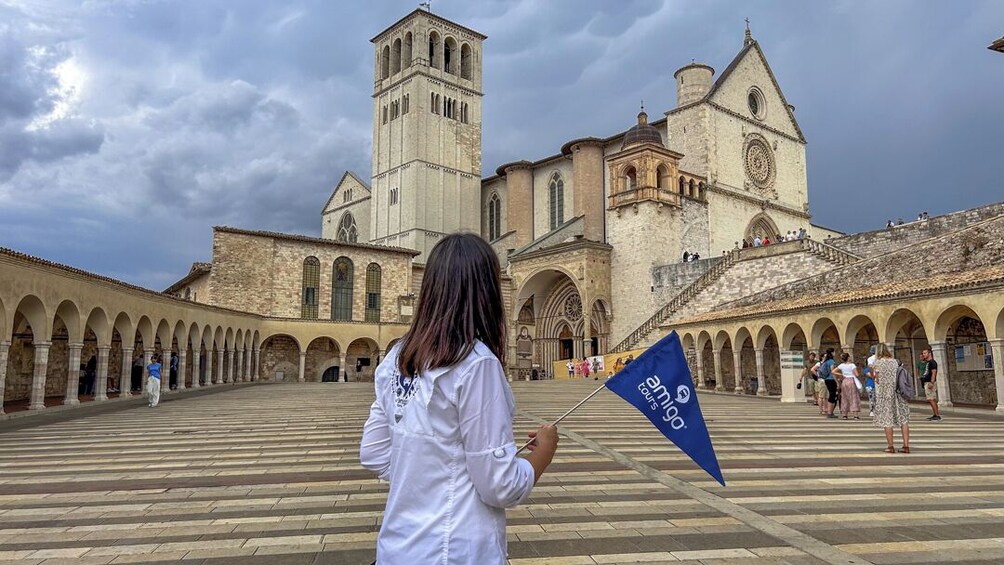
アッシジ、チヴィタ・ディ・バニョレージョ、オルヴィエートを巡るローマ日帰りツアー
¥17,623
大人 1 名あたり
88% の旅行者がおすすめしています
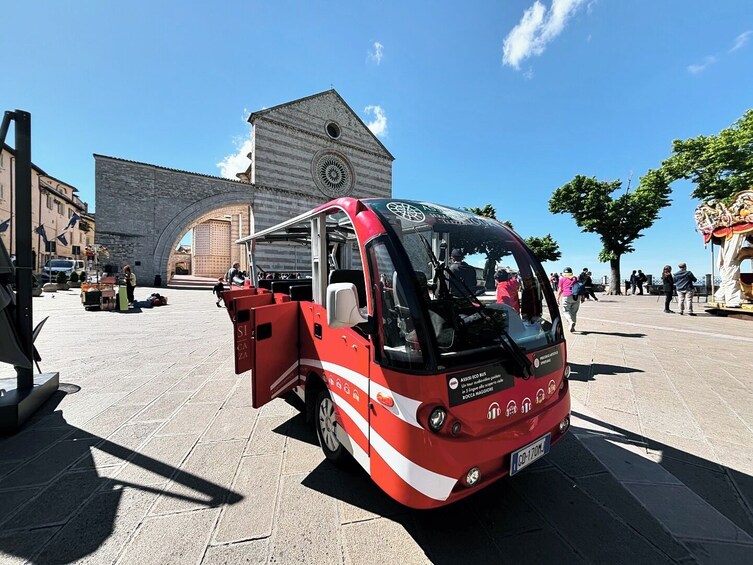
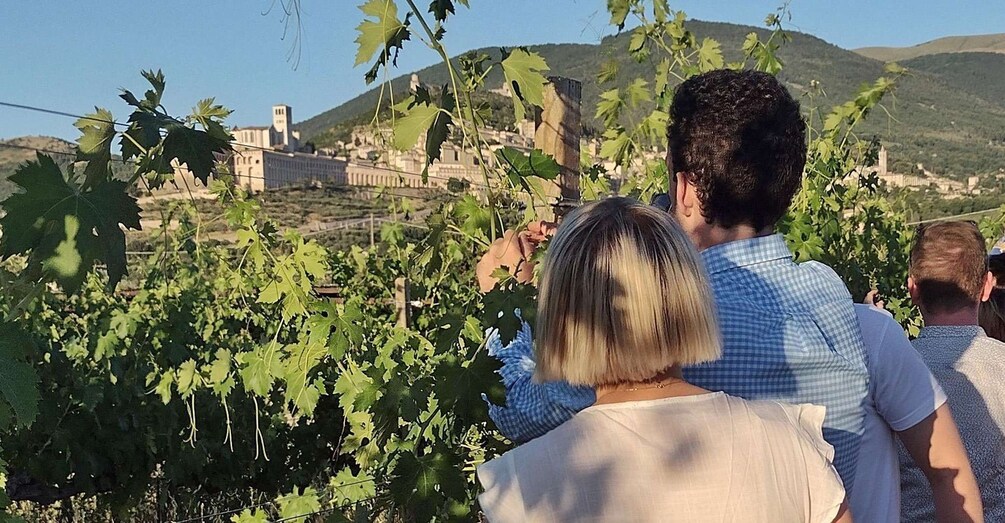
アッシジワインテイスティング、グルメペアリング、ブドウ畑散策
¥4,475
大人 1 名あたり
100% の旅行者がおすすめしています
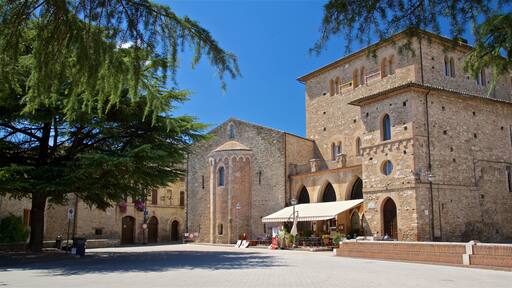


エクスペディアで世界の旅へ
- カナリッキオのホテル
- ホテル サン ピエトロ
- Th アッシジ
- アッシジのアグリツーリズム
- ラジリアのホテル
- ヴィラ、プライベートプール、クラブハウス、ビリヤード台、見事な景色、屋外バーベキューとピザオーブン、プライベートガーデン、屋外ダイニングエリア、近くのアトラクション、ウンブリアの歴史的都市
- 静��なエリア��共同プール付きの陽気なアパートメント
- アッシジの 5 つ星ホテル
- バジリカ・サン・フランチェスコ・ディ・アッシジ付近のホテル
- ベットーナのペットと泊まれるホテル
- アッシジの高級ホテル
- ロカンダ デル アンジェロ
- モンテファルコの古城ホテル
- ホテル ベルティ
- アッシジの 4 つ星ホテル
- ベットーナのホテル
- アッシジ歴史地区のホテル
- ホテル レ グラツィエ
- アグリツーリズモ イル ポッジョ デル ソーレ
- カンペッロ スル クリトゥンノのホテル
- ホテル パラッツォ ボッチ
- ヴィコ デル ポエタ
- ヴィラ アッシジ
- ヴァルトピーナのホテル
- トレヴィのホテル
- Bv グランド ホテル アッシジ
- ホテル リエト ソッジョルノ
- アッシジのホテル
- アッシジのベッド & ブレックファスト
- スペッロのホテル
- フォリーニョのホテル
- パッサッジョのゲストハウス
- デイ プリオーリ ホテル
- 東京 (NRT) 発ペルージャ サンフランチェスコ ダッシジ ウンブリア国際空港 (PEG) 行きの航空券
- ローマ (ROM) 発ペルージャ サンフランチェスコ ダッシジ ウンブリア国際空港 (PEG) 行きの航空券
- 東京 (HND) 発ペルージャ サンフランチェスコ ダッシジ ウンブリア国際空港 (PEG) 行きの航空券
- ミラノ (MXP) 発ペルージャ サンフランチェスコ ダッシジ ウンブリア国際空港 (PEG) 行きの航空券
- ローマ (FCO) 発ペルージャ サンフランチェスコ ダッシジ ウンブリア国際空港 (PEG) 行きの航空券
- パリ (CDG) 発ペルージャ サンフランチェスコ ダッシジ ウンブリア国際空港 (PEG) 行きの航空券
- アッシジ行きの航空券
- モラ行きの航空券
- フランクフルト (FRA) 発ペルージャ サンフランチェスコ ダッシジ ウンブリア国際空港 (PEG) 行きの航空券
- ロンドン (LHR) 発ペルージャ サンフランチェスコ ダッシジ ウンブリア国際空港 (PEG) 行きの航空券
- 東京 (TYO) 発ペルージャ サンフランチェスコ ダッシジ ウンブリア国際空港 (PEG) 行きの航空券
- 大阪 (KIX) 発ペルージャ サンフランチェスコ ダッシジ ウンブリア国際空港 (PEG) 行きの航空券
- ミュンヘン (MUC) 発ペルージャ サンフランチェスコ ダッシジ ウンブリア国際空港 (PEG) 行きの航空券
- サン フランチェスコ通り
- バジリカ・サン・フランチェスコ・ディ・アッシジ
- サン ピエトロ修道院
- マッサ マルターナの旅行情報
- カステルブオーノの旅行情報
- ポンテ サン ジョヴァンニの旅行情報
- サン ニコラ教会
- サント ステファノ教会
- チェッレート ディ スポレートの旅行情報
- サンタ マリア デリ アンジェリ聖堂
- モンテサントの旅行情報
- カナリッキオの旅行情報
- スポレトの旅行情報
- サンタ マリア インフラポルタス教会
- クリトゥンノ温泉
- トルキアジーナの旅行情報
- ミネルヴァ神殿
- 聖フランチェスコの森
- サン・フェリチアーノ大聖堂
- グスト ワイン ツアーズ
- トルジャーノの旅行情報
- サンタンドレア教会
- サンタ マリア デッリ アンジェリの旅行情報
- サン ジョヴァンニ バティスタ病院
- パオロ ベア
- サン ルフィーノ大聖堂
- モラの旅行情報
- バスティーア ウンブラの旅行情報
- ノチェーラ ウンブラの旅行情報
- ペルキアの旅行情報
- コムーネ広場
- カサリーナの旅行情報
- トレヴィの旅行情報
- アッシジでの休暇
- ペッレグリーニ礼拝堂
- モザイクのヴィラ
- 聖フランチェスコ市立美術館
- モンテファルコの旅行情報
- ブルファの旅行情報
- アッシジの旅行情報
- サン ジュリアーノ
- サン マルティーノ イン カンポの旅行情報
- ラジリアの旅行情報
- エレモ デッレ カルチェリ
- ベヴァーニャの旅行情報
- トリンチ宮
- コンソラーレ門
- スペッロの旅行情報
- 聖キアラ大聖堂
- リヴォトルトの旅行情報
- デルータの旅行情報
- マッジョーレ城塞
- カンペッロ スル クリトゥンノの旅行情報
- サン ジョヴァンニ バティスタ病院
- フォリーニョ市庁舎
- トリンチ宮
- サン・フェリチアーノ大聖堂
- サンタ マリア インフラポルタス教会
- コルフィオリト考古学博物館
- サン ニコラ教会
- バジリカ・サン・フランチェスコ・ディ・アッシジ
- サンタ マリア デリ アンジェリ聖堂
- 聖キアラ大聖堂
- サン ジュリアーノ
- 11 月 4 日広場
- テヴェレ川
- コムーネ広場
- サンタ リタ教会
- サンタ マリア デッラ ミゼリコルディア病院
- サン フランチェスコ通り
- コルソ ヴァンヌッチ
- スポレート大聖堂
- サン ルフィーノ大聖堂
- ペルージャ大学
- サンチュアリオ デッラモーレ ミゼリコルディオーゾ ディ マードレ スペランツァ
- ローマ時代の水道橋
- シビッリーニ連峰国立公園
- マッジョーレ城塞
- パオリーナ城塞