
![At the museum no photos are allowed which is really unfortunate as it was well worth the visit and the guided tour is definitely not to be missed. In the museum there are even Batik made from the Dutch era which depicts stories like Little Red Riding Hood and Snow White!
I enjoyed the tour v much and at the end of the tour we were brought to this room where the artisan were working on hand drawn batik.
Below is an excerpt from Wikipedia for anyone interested in learning more about the process of batik making.
Firstly, a cloth is washed, soaked and beaten with a large mallet. Patterns are drawn with pencil and later redrawn using hot wax, usually made from a mixture of paraffin or bees wax, sometimes mixed with plant resins, which functions as a dye-resist. The wax can be applied with a variety of tools. A pen-like instrument called a canting (IPA: [tʃantiŋ], sometimes spelled with old Dutch orthography tjanting) is the most common. A canting is made from a small copper reservoir with a spout on a wooden handle. The reservoir holds the resist which flows through the spout, creating dots and lines as it moves. For larger patterns, a stiff brush may be used. Alternatively, a copper block stamp called a cap (IPA: [tʃap]; old spelling tjap) is used to cover large areas more efficiently.
After the cloth is dry, the resist is removed by scraping or boiling the cloth. The areas treated with resist keep their original color; when the resist is removed the contrast between the dyed and undyed areas forms the pattern. This process is repeated as many times as the number of colors desired.
The most traditional type of batik, called batik tulis (written batik), is drawn using only the canting. The cloth need to be drawn on both sides and dipped in a dye bath three to four times. The whole process may take up to a year; it yields considerably finer patterns than stamped batik.
Source: Wikipedia](https://images.trvl-media.com/place/6224808/26fd1460-c65a-4c1a-9444-7a893e883ac9.jpg?impolicy=fcrop&w=1200&h=500&q=medium)
Photo by Sharrie Shaw
Find Boutique Hotels in Solo City Centre
 Change your mindBook hotels with free cancellation
 Be pickySearch almost a million properties worldwide
Check availability on Solo City Centre Boutique Hotels
Top Solo City Centre Boutique Hotels
No exact matches found, but these alternatives could be just right
Recommended hotels in Solo City Centre
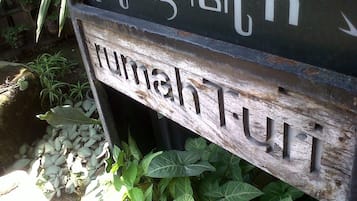
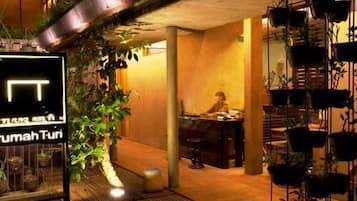

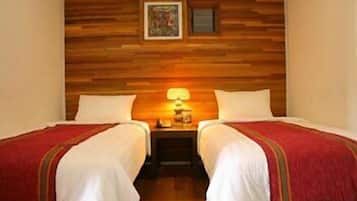
Rumah Turi Eco Hotel
Solo City Centre
7.8 out of 10, Good, (15)
"Great value for money and in a great spot within town, with a delicious Wedangan Pendopo Javanese restaurant nearby and many cafes within walking distance. Staff were extremely helpful and kind. Would definitely stay again if I return to Solo. "

Basalamah
The price is ¥2,120
¥2,595 total
includes taxes & fees
Dec 8 - Dec 9
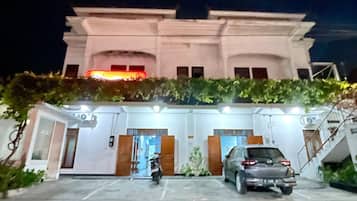
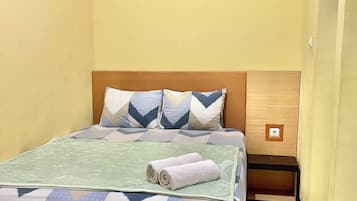

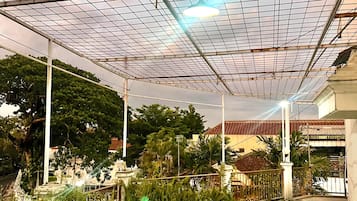
Telu Telu Solo
Solo City Centre
The price is ¥1,301
¥1,574 total
includes taxes & fees
Dec 9 - Dec 10
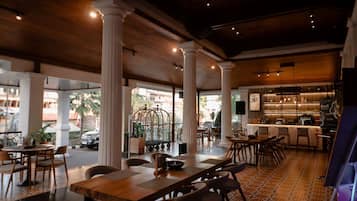
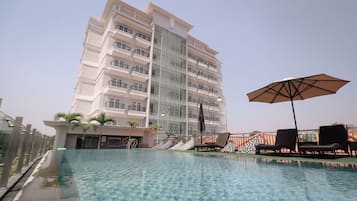

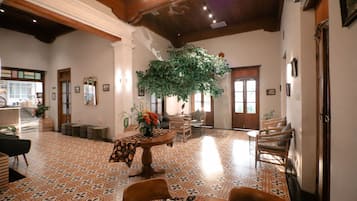
FIM by Zigna
Solo City Centre
9.4 out of 10, Exceptional, (6)
"The hotel is an excellent place to stay. The hotel itself is not special or fancy, but it is well-run, clean, and located in the center of Solo. The breakfast buffet is excellent, the restaurant is good, and the hotel also has a nice cafe with an outside seating area. They featured life music at the cafe on weekend evenings. We saw no other foreign guests, which we saw as a plus. Many staff members speak good English."

Erzo

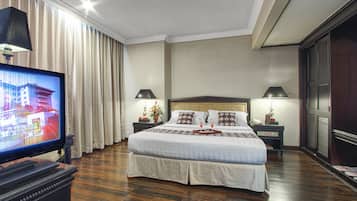


Sahid Jaya Hotel Solo
Solo City Centre
7.2 out of 10, Good, (24)
"シャワーの出が悪い"

Tadashi

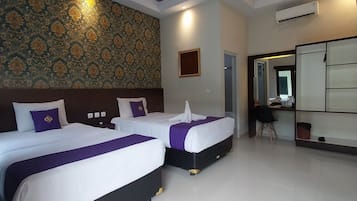


Grand Sahman Hotel
Solo City Centre
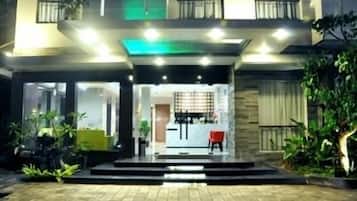
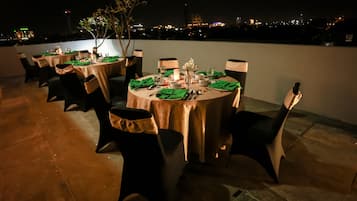
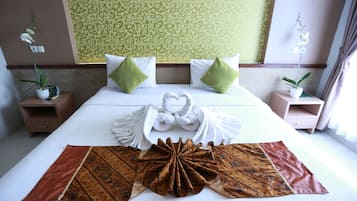
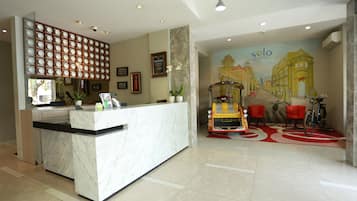
Loji Hotel Solo by Wstay
Solo City Centre
7.2 out of 10, Good, (17)
"Pleasant hosts, Clean cozy hotel and room. Close to train station, recommended"

Ed
The price is ¥2,199
¥2,701 total
includes taxes & fees
Jan 1 - Jan 2, 2026


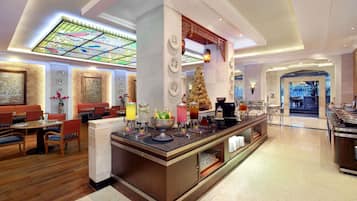
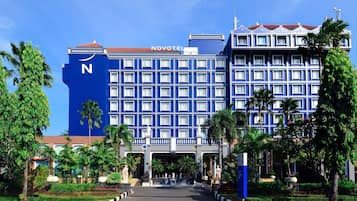
Novotel Solo
Solo City Centre
8.2 out of 10, Very Good, (113)
"I like to staying in this place very nice people."
Supartiningsih
The price is ¥5,702
¥6,899 total
includes taxes & fees
Jan 1 - Jan 2, 2026
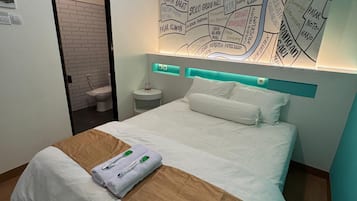

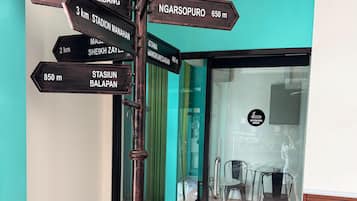
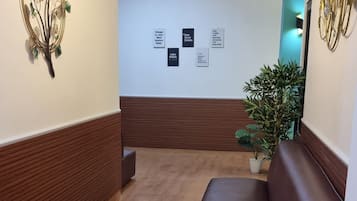
Comfort Centre Residence Solo
Solo City Centre
The price is ¥2,875
¥3,494 total
includes taxes & fees
Dec 8 - Dec 9
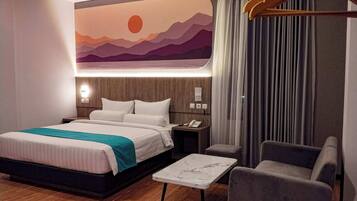
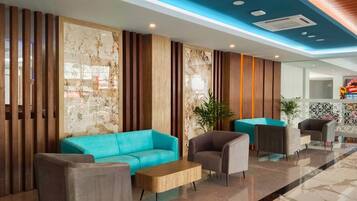

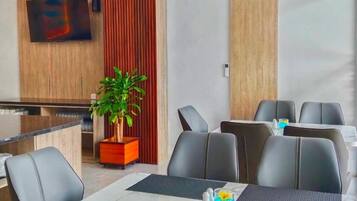
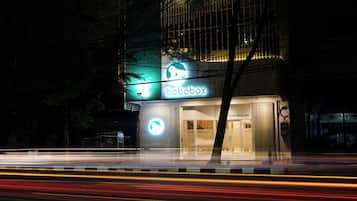

Lowest nightly price found within the past 24 hours based on a 1 night stay for 2 adults. Prices and availability subject to change. Additional terms may apply.
Top Solo City Centre Hotel Reviews
Explore a world of travel with Expedia
More Hotel Options in Solo City Centre
- Cheap Hotels in Solo City Centre
- Historic Hotels in Solo City Centre
- Hotel Wedding Venues in Solo City Centre
- Hotels with a Pool in Solo City Centre
- Hotels with smoking rooms in Solo City Centre
- Luxury Hotels in Solo City Centre
- Resorts & Hotels with Spas in Solo City Centre
- Shopping Hotels in Solo City Centre
More Accommodation Types in Solo City Centre
Hotels near popular Surakarta Attractions
Explore more hotels
- Solo Paragon Hotel & Residences
- Loji Hotel Solo by Wstay
- Rumah Turi Eco Hotel
- Pose in Solo by Wstay
- Grand Sahman Hotel
- OYO Life 93662 Kost Pak Budi
- Bobopod Slamet Riyadi Solo
- Alila Solo, Java
- Moxy Solo
- Swiss-Belhotel Solo
- The Sunan Hotel Solo
- Zigna Kampung Batik
- Tjokro Hotel Klaten
- Lorin Syariah Hotel Solo
- Swiss-Belinn Saripetojo Solo
- Diamond Hotel Solo
- Hotel Bintang Solo
- Hotel Indah Palace Solo
More ways to book
Expedia's Latest Trends
Hotels
- The Westin New York Grand Central
- APA Hotel Nagoya Sakae Kita
- Shibu Onsen Sakaeya
- MarriottHotelsResorts Hotels in Kusatsu
- Fujisan Onsen Hotel Kaneyamaen
- Hoshino Resorts KAI Enshu
- Citadines Namba Osaka
- Villas Santa Rosa Beach
- The Empress Hotel Chiang Mai
- Gay friendly Hotels in Lahore
- Hotel Oriental Express Fukuoka Tenjin
- Casinos in Moscow
- Holiday Inn Express Chicago NW - Arlington Heights by IHG
- Pearl Hotel Shinjuku Akebonobashi
- Hotels near Seattle - Tacoma Intl.
- Fairmont Hotels in Baltimore
Flights
Packages