ボンチャーチのバケーション レンタル・民泊
 予定の変更があっても安心キャンセル料無料のホテルを予約
 理想の宿を見つけよう世界中の約 100 万軒の宿泊施設から検索
以下の日付の料金をチェック
ボンチャーチでおすすめのバケーションレンタル



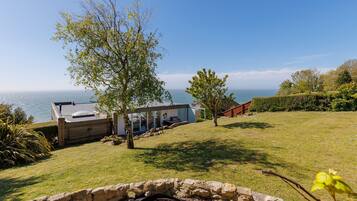
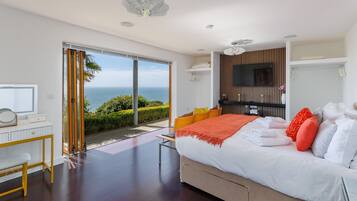

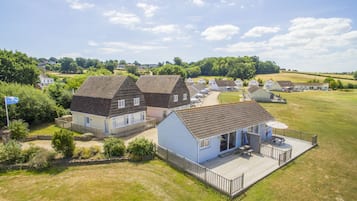


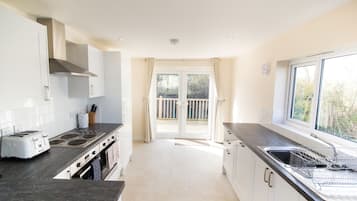

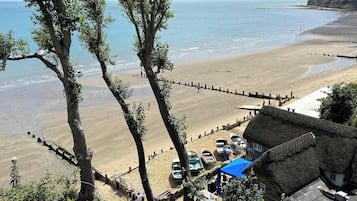


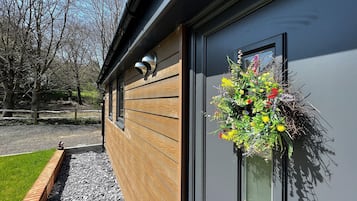
4. The Wing at Fox Hollow
The Wing at Fox Hollow
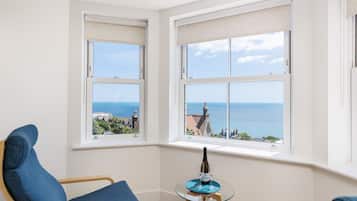
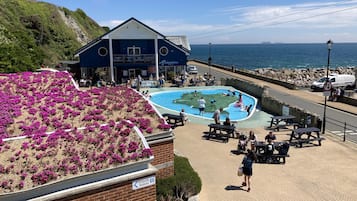
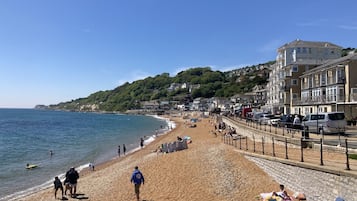

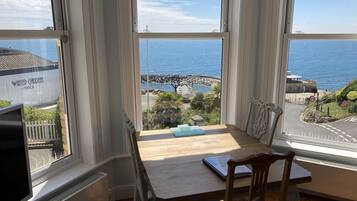
5. Beaumont - Ventnor, Isle of Wight
Beaumont - Ventnor, Isle of Wight


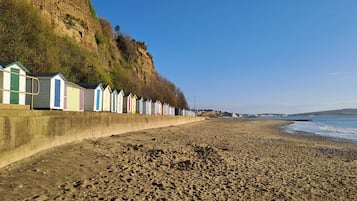


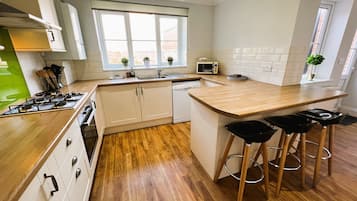
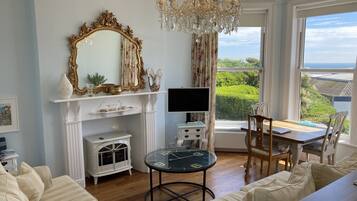
7. Briar Bank
Briar Bank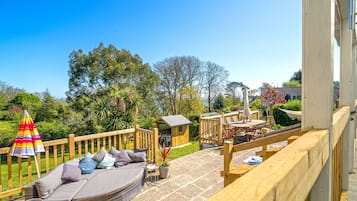
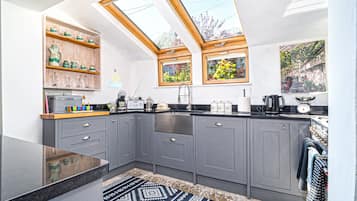

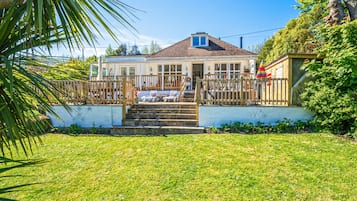
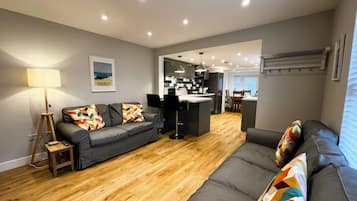
8. Hazeldene - a cottage that sleeps 8 guests in 3 bedrooms
Hazeldene - a cottage that sleeps 8 guests in 3 bedrooms







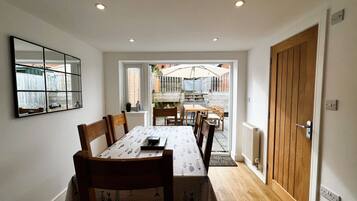

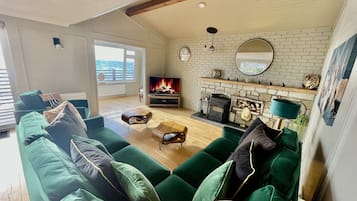


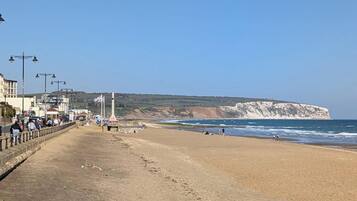
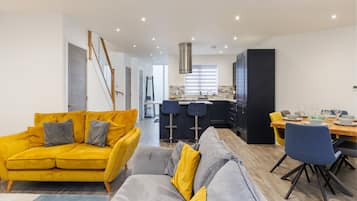


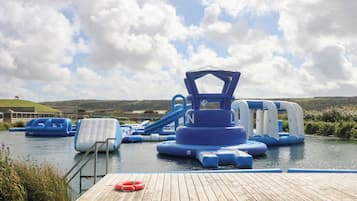
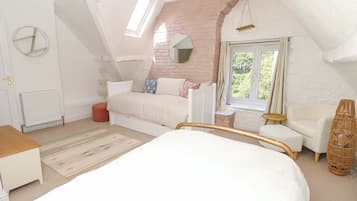
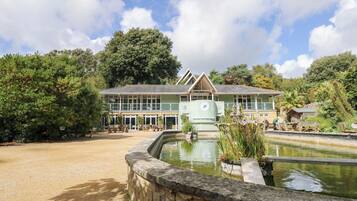
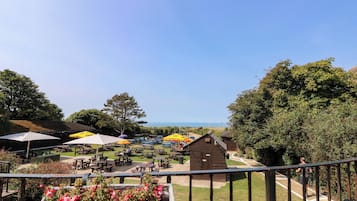
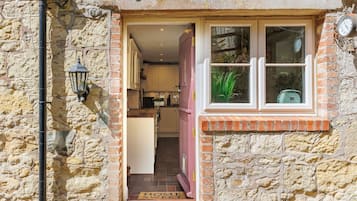
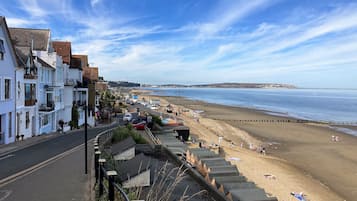
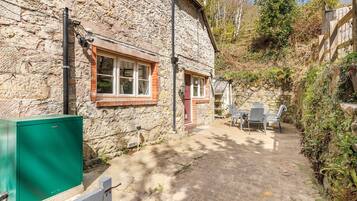
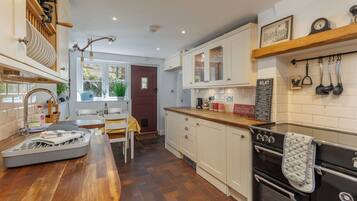
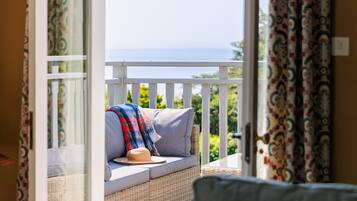


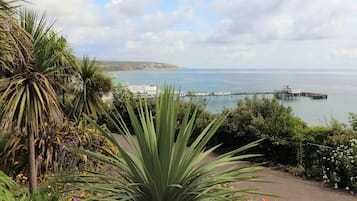


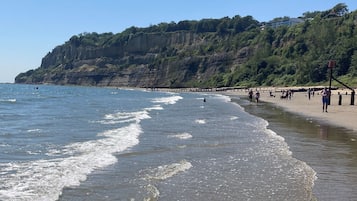
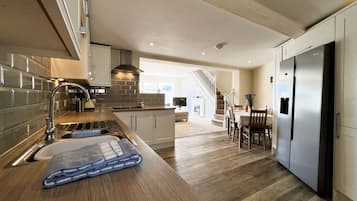
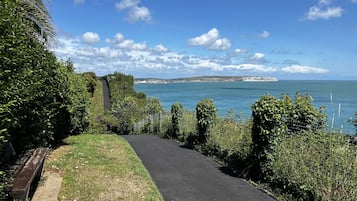
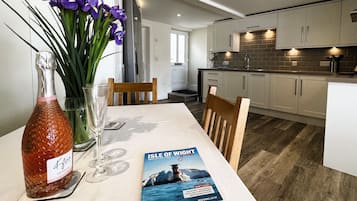
お客様のスタイルに合ったおすすめのバケーションレンタル

ボンチャーチの人気ホテルの口コミ
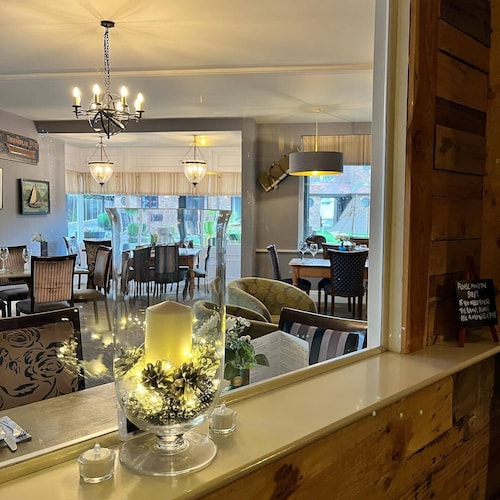
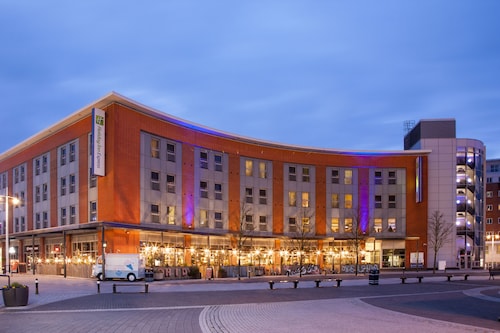
ザ バーダム ホテル & レストラン

ボンチャーチに関するその他の情報
ボンチャーチのバケーションレンタル
キッチンや家具など、快適に滞在するために必要なすべてが備わった便利なバケーションレンタル。日本では、「貸別荘」や「民泊」とも言われる宿泊施設です。欧米で人気の旅のスタイルですが、近年は日本でも人気が高まっています。
ボンチャーチでバケーションレンタルに滞在する場合の費用
ボンチャーチのバケーションレンタルの利用料金は、1 泊あたり最も高価な施設で ¥39,469、そしてお手頃な施設は ¥12,853くらいと価格の幅もさまざまです。
バケーションレンタルとホテルの違い
宿泊する人数単位で支払いをするホテルやゲストハウスとは異なり、1 棟丸ごとレンタルできるのがバケーションレンタルの魅力です。このため、家族全員や友人同士など大人数で出かける場合、バケーションレンタルに滞在すれば、旅の費用をリーズナブルに抑えることができます。
バケーションレンタルでできること
暮らすように滞在できるバケーションレンタルには、ホテルとは異なり、リラックスして滞在できる設備がそろっているのが特徴です。たとえば小さな子供や赤ちゃんを連れた旅でも、1 棟まるごと借りるバケーションレンタルなら、周囲に気兼ねなく滞在を楽しむことができます。また、条件によってはペットを同伴できる施設もあります。
一般的に、バケーションレンタルでは以下のような設備が利用できることが多いですが、ほかにも、暖炉やミニシアター、プライベートプールなど、豪華な設備が整ったバケーションレンタルもあり、予算や目的に合わせて選ぶことができます。
- 充実した設備のキッチン
- 冷蔵庫
- バーベキュー用機材
- 洗濯機、乾燥機
ボンチャーチのバケーションレンタルに格安で滞在できる時期
なるべく旅の費用を抑えてボンチャーチに滞在したいなら、が狙い目です。この時期は、最もリーズナブルに旅を満喫できるおすすめのタイミングです。逆に、になると、最も宿泊料金が高くなります。
ボンチャーチへの旅のおすすめシーズン
ボンチャーチに旅行するなら、ベストシーズンは です。この時期には、1 年を通じて最も多くの旅行者が詰めかけます。一方、最も人出が少なくなるのは と言われています。