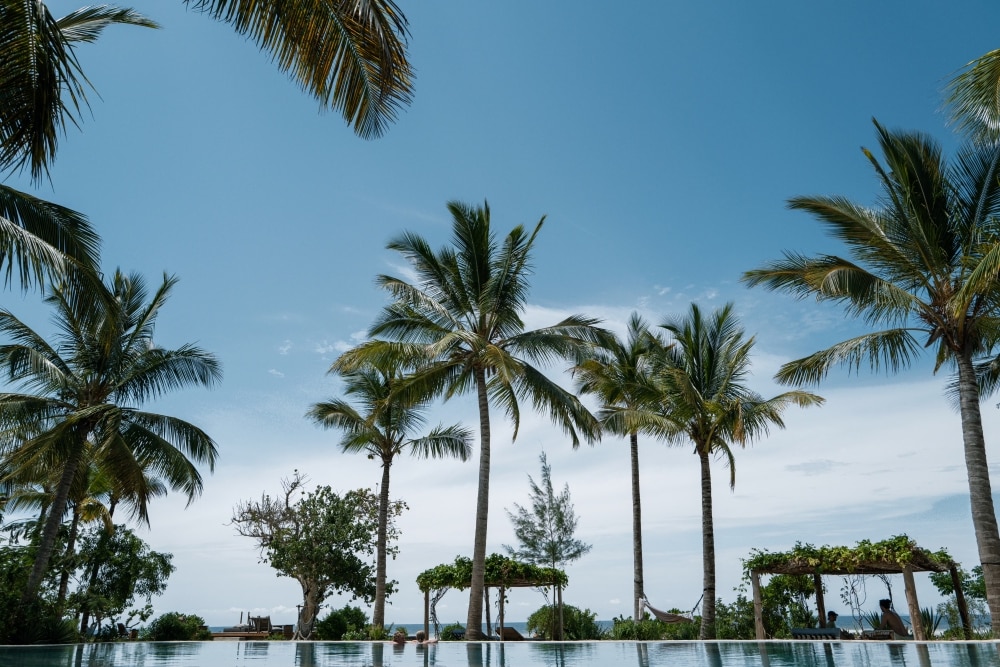
ボヨラリに着いたら何を見て、どんな経験をしようか迷いますよね。エクスペディアではボヨラリで人気の現地オプショナルツアーをご案内。お得な価格で、思い出に残る体験を。空港送迎や観光バス・美術館や博物館への入場券などボヨラリの現地オプショナルツアーをエクスペディアで予約。
ボヨラリのオプショナルツアー
アクティビティ、観光スポット、ツアー
ボヨラリへの旅行
ボヨラリの現地オプショナルツアー
- 現地ツアーをチェック現地ツアーやアトラクションから日帰りツアーや送迎まで、何千もの体験を検索できます。
- 簡単に予約行列に並ばず、人気のアトラクションのチケットを数分でオンライン予約できます。また、多くの現地ツアーでキャンセル料が無料となっています。
- もっとお得に旅へ会員の方は、現地ツアーを予約する際に % 以上お得になります。


![At the museum no photos are allowed which is really unfortunate as it was well worth the visit and the guided tour is definitely not to be missed. In the museum there are even Batik made from the Dutch era which depicts stories like Little Red Riding Hood and Snow White!
I enjoyed the tour v much and at the end of the tour we were brought to this room where the artisan were working on hand drawn batik.
Below is an excerpt from Wikipedia for anyone interested in learning more about the process of batik making.
Firstly, a cloth is washed, soaked and beaten with a large mallet. Patterns are drawn with pencil and later redrawn using hot wax, usually made from a mixture of paraffin or bees wax, sometimes mixed with plant resins, which functions as a dye-resist. The wax can be applied with a variety of tools. A pen-like instrument called a canting (IPA: [tʃantiŋ], sometimes spelled with old Dutch orthography tjanting) is the most common. A canting is made from a small copper reservoir with a spout on a wooden handle. The reservoir holds the resist which flows through the spout, creating dots and lines as it moves. For larger patterns, a stiff brush may be used. Alternatively, a copper block stamp called a cap (IPA: [tʃap]; old spelling tjap) is used to cover large areas more efficiently.
After the cloth is dry, the resist is removed by scraping or boiling the cloth. The areas treated with resist keep their original color; when the resist is removed the contrast between the dyed and undyed areas forms the pattern. This process is repeated as many times as the number of colors desired.
The most traditional type of batik, called batik tulis (written batik), is drawn using only the canting. The cloth need to be drawn on both sides and dipped in a dye bath three to four times. The whole process may take up to a year; it yields considerably finer patterns than stamped batik.
Source: Wikipedia](https://images.trvl-media.com/place/6224808/26fd1460-c65a-4c1a-9444-7a893e883ac9.jpg?impolicy=fcrop&w=512&h=288&q=medium)